

If you’re already plotting your 2026 travel calendar, you’re not alone. More than ever, travelers are making intentional decisions—choosing destinations based not only on beauty and buzz, but also safety, sustainability, affordability, and even politics.
With that in mind, I’m sharing my personal picks for where to go in 2026, what to skip, and what I’m planning for the year ahead.
This post takes inspiration from Fodor’s “No List 2026” but goes one step further, with my personal take on global travel trends, destinations that excite me, and places I no longer feel safe or inspired to visit.
🇺🇸 Why I’m Avoiding the United States in 2026
This year, the United States lands at the top of my personal “do not travel” list. Depends on where your politics lie; that might sound bold.
For me, travel should feel welcoming, inspiring, and low-stress, and right now, the U.S. seems to offer the opposite. Between political volatility, growing hostility toward long-time allies, unpredictable border experiences, healthcare uncertainty, and the ever-present background noise of gun violence, it just doesn’t add up to an enjoyable or safe-feeling destination in 2026.
What surprises me is how few travel lists—Fodor’s included—are willing to say the same. Maybe it’s just too obvious. Or maybe some outlets are hesitant to call it out directly for fear of backlash or political repercussions. Either way, it feels like a glaring omission.
The reality is, for me, this isn’t just a 2026 decision—it’s a skip for the remainder of the current U.S. administration. Much like last time, I find myself opting out until there’s a noticeable shift in tone, safety, and policy. And I say that as someone who, frankly, sits in a position of privilege. I’m a white male with a passport that generally opens doors. If I feel this level of unease, I can only imagine how it feels for others navigating U.S. travel right now.
None of this is to say the country lacks beauty or incredible travel opportunities. It’s full of them. But when I weigh those against the discomfort of simply being there, the costs—both financial and mental—just aren’t worth it.
And the kicker? Nearly every iconic American experience has a compelling, lower-stress alternative right across the border. Whether it’s surfing, road trips, food scenes, or epic nature, Canada is doing it just as well—if not better—without the drama.
Surf Culture Without the Crowds: Tofino & Ucluelet

If you’re chasing waves, most people’s minds go straight to California. But surfing in California today often means packed beaches, traffic, and a fairly commercialized experience. On the other hand, Tofino and Ucluelet on Vancouver Island feel like what surf towns used to be—laid-back, soulful, and immersed in nature.
From moody beaches to old-growth forests, this is cold-water surf culture at its most authentic. If you’re planning a trip, this three-day Tofino and Ucluelet itinerary gives you a great mix of surfing, hiking, and food worth traveling for.
Thinking About the World Cup? I’m Not So Sure About the U.S.
With the 2026 FIFA World Cup on the horizon, there’s been a lot of hype around travel to the United States—but I honestly don’t know how it’s going to go down there. Hosting a global event like this is supposed to be a celebration of connection, culture, and community. And yet, the U.S. feels increasingly uninviting to people of colour, travelers from allied countries, and anyone who doesn’t fit a certain political narrative.
While stadiums are being fitup and plans are moving forward, the overall vibe doesn’t exactly scream “welcome.” It feels off, and I can’t be the only one sensing that.
If you’re like me and love the energy of international sporting events but don’t want the stress that might come with being in the U.S. during one, there are still alternatives. And frankly, they’re more appealing.
Mexico City is already one of my favourite cities in the world. It’s vibrant, historic, and absolutely electric when it comes to food, culture, and energy. Whether you’re there for the matches or just want to experience the buzz around them, this 3-day Mexico City itinerary gives a great starting point for what to eat, where to wander, and how to avoid tourist traps.

Then there’s Vancouver, where the atmosphere is going to be relaxed and welcoming—especially by comparison. It’s already one of the most multicultural cities in North America, and with a backdrop of mountains and water, it’s easy to turn a sports trip into a vacation. If you’re looking to keep your trip budget-friendly, here are 10 free-ish things to do in Vancouver that prove you don’t need a big event ticket to have a great time.
Toronto is also on the World Cup hosting list, and while it’s not my favourite Canadian city for tourism (sorry, TO), it’s a major international hub with plenty to offer—especially when the global crowd starts rolling in.
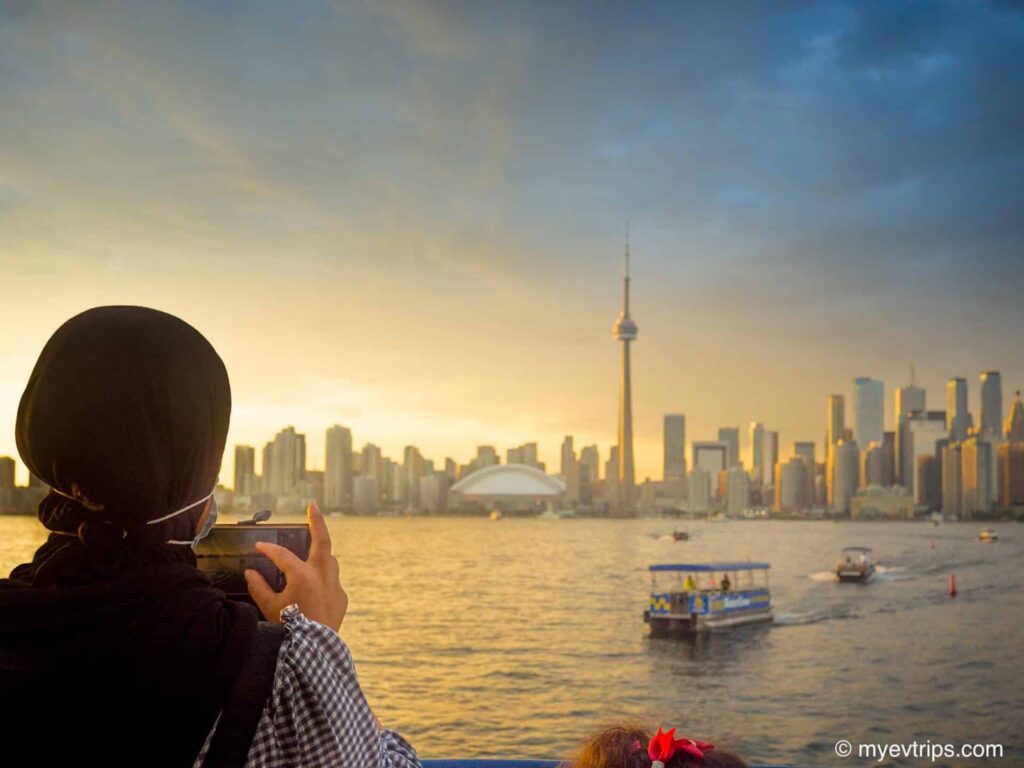
Personally, I’d much rather take in the spirit of the World Cup from places that actually feel in the spirit of it. Welcoming. Diverse. Excited to host. As of now, the U.S. doesn’t feel like any of those things—and I’d rather spend my time and money elsewhere.
To level it up, connect the drive with the Pacific Marine Circle Route for a proper coastal road trip that rivals any California route without the chaos.
Want a Stadium Experience? Skip the NFL and Head to Regina
The U.S. is famous for its big-league sports energy, but if you’re looking for pure passion and community spirit, on a magificently smaller scale, head to Saskatchewan. The Saskatchewan Roughriders game day experience in Regina is unlike anything you’ll find in the CFL and is as close as you will get to the NFL. It’s not just a sporting event, it’s a cultural moment. Fans don’t just wear green; they live it. Whether you’re into football or not, it’s a bucket list Canadian event you didn’t know you needed.

Skip Alaska’s Cruise Crowds: Visit the Yukon Instead
Alaska gets the headlines, but if it’s wild landscapes and northern adventure you’re after, the Yukon offers the same sense of scale and wonder—without the inflated cruise ship prices or environmental impact. The capital city of Whitehorse is a surprisingly cool base for hiking, northern lights viewing, and cultural discovery. Not sure where to start? This guide to the best things to do in Whitehorse will show you how accessible (and affordable) it can be.
Don’t miss the unique gold rush town of Dawson City, where the streets are still dirt, the saloons feel frozen in time, and the legacy of the Klondike Gold Rush is everywhere you turn. It’s unlike anywhere else in Canada—and far less touristed than Skagway or Juneau.
Coastal Road Trips Without New England Prices
If you love lobster rolls, lighthouses, and winding coastal highways, there’s no need to go to Maine. Atlantic Canada offers all of that with more space and far less traffic. Watching the tide rise at Hopewell Rocks Park is something I’ll never forget. If you plan your visit right, you can walk on the ocean floor in the morning and kayak over the same spot in the afternoon.
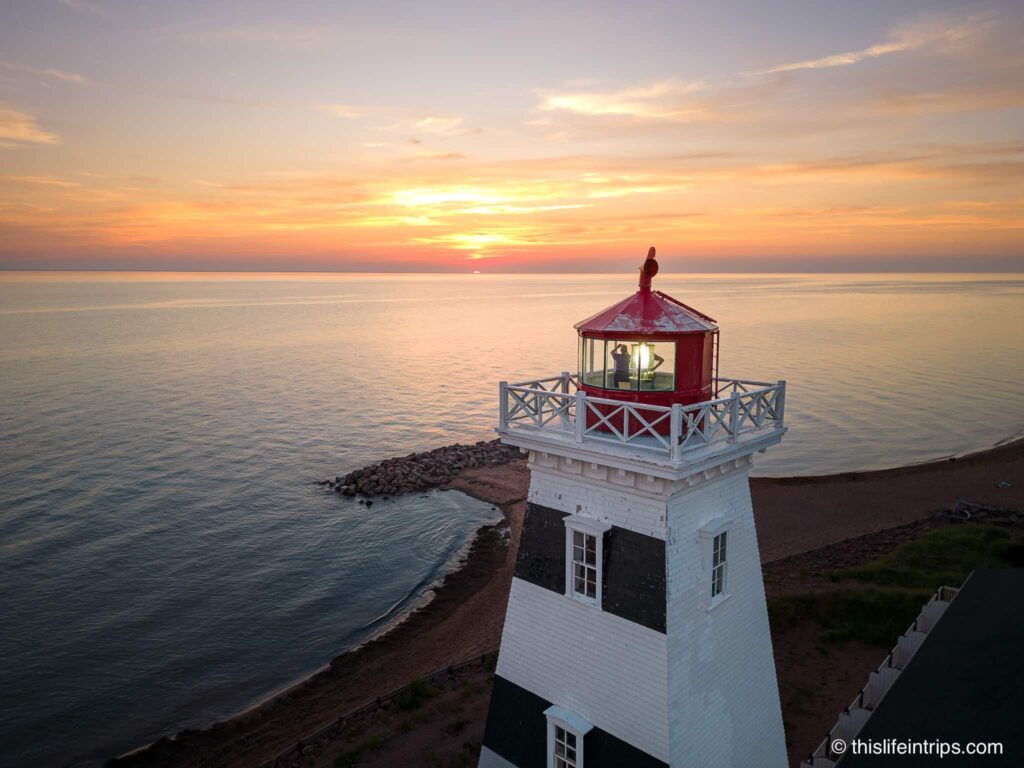
Prince Edward Island feels like a real-life storybook. Use this guide to visiting PEI’s highlights for your first visit. Or head to Cape Breton and tackle the Cabot Trail, which is easily one of the most scenic drives in North America. This Cape Breton 3-day itinerary maps it out in a way that balances scenery with cultural stops.
And don’t sleep on St. John’s, Newfoundland, where foggy, musical, windswept St. John’s delivers an east coast energy you won’t find anywhere else in Canada—or the U.S., for that matter.
Road Trip Culture Without the Chaos: Explore Quebec
America’s open roads are iconic, sure, but Quebec offers road trips that are just as rewarding—without the sprawl, tolls, and six-lane monotony. The Route 138 Côte-Nord drive delivers everything from whale watching to remote fishing villages. Or explore the Gaspé Peninsula, which might just be the best coastal drive you’ve never heard of.
For a city break, three days in Quebec City offers that perfect blend of European flair, walkability, and incredible dining—all without needing to cross an ocean.
Foodie Stops That Beat the Hype
You don’t need to visit Portland or Austin to eat well. Canada has its own delicious quirks. Kingston’s food and beer scene punches way above its weight and blends Ontario charm with creative kitchens and great pubs. Over on the West Coast, the Nanaimo Bar Trail is the kind of niche, fun foodie adventure that leaves a lasting memory, and satisfies your sweet tooth.
Ride the Rails, Canadian Style
Long train journeys are often associated with Amtrak, but Canada’s rail experience is next-level. Riding VIA Rail’s The Canadian is an unforgettable way to experience the country’s size and scope. It’s slower, sure, but that’s the point. It’s for travelers who want to soak in the scenery and let the journey be the reward.

What This Says About Travel Trends in 2026
One of the defining travel trends shaping 2026 is intentional avoidance—not out of fear, but out of preference. Travelers are choosing destinations that reduce friction rather than add to it. Ease of entry, predictable costs, a sense of welcome, and experiences that feel human instead of transactional are becoming more important than ever.
For me, skipping the U.S. in 2026 isn’t about making a statement. It’s about choosing better—and when Canada offers this much, there’s no question where I’d rather be.
My Top Travel Picks for 2026
Domestic travel aside, here’s where I am hoping to land in 2026.
🇨🇷 First-Timer in Costa Rica
Costa Rica has been on my radar for years, but I kept passing it over because of how popular it is. It’s on the beaten path, sure, but sometimes the beaten path is well-trodden for a reason.
In 2026, I’m finally heading there. I’m chasing sun, surf, and wildlife, ideally without the long-haul flight across the world. Costa Rica fits the bill: warm, safe, and close enough without needing to transit through the U.S. Yes, it’s a little pricier than neighboring countries, and yes, it’s touristy. But it’s also a global leader in eco-tourism and sustainability.
I hope to make the most of that with an EV road trip through one of Latin America’s fastest-growing electric vehicle markets, where EV adoption has nearly tripled across the region in just one year.
I’m eyeing a mix of beach time in Nosara or Santa Teresa with jungle hikes near Arenal. Essential Spanish phrases for travelers will come in handy for getting off the resort track.
🇳🇴 EV Road Trip Through Norway (and Beyond)
After my electric vehicle adventure to the Arctic Ocean in Canada, I’m turning to Europe. Norway is a dream for EV travelers, with nearly 80% of new car sales being electric and an infrastructure that makes even remote road trips possible. I’m planning a loop from Oslo to Hammerfest, then down through Finland, Sweden, Denmark, and into northern Germany.
If I end up with a layover in Munich, I already know Hofbräuhaus Munich is worth visiting.
🇯🇵 Returning to Japan
Japan’s one of my favorite countries, and it’s long overdue for a revisit. I’ll hit Tokyo, Kyoto, and Osaka again, but this time I’m hoping to explore regions like Shikoku or Tottori. And since I’m working toward my 100-country goal, I’m pairing this trip with a visit to…
🇵🇭 The Philippines
For beach time, easy connections from Japan, and adding a new pin on the map, the Philippines is at the top of my end-of-year list. I’ve got my eye on Bohol, Siargao, or Palawan, somewhere I can unwind, eat well, and close out 2026 relaxed.
Final Thoughts on Where To Go in 2026
Fodor’s “No List” for 2026 offered a great reminder that where we choose to travel matters—and that why we go is just as important as where. For me, that means skipping the U.S. this year in favor of places that feel easier, safer, and more aligned with how I want to explore.

Canada is full of those places. From Yukon to Quebec, Tofino to PEI, it’s clear I’ve only scratched the surface of what’s right in my own backyard. And while I’ll be checking out new countries like the Philippines and hopefully revisiting favorites like Japan, my slow march to 100 countries is less about the number now, and more about choosing experiences that feel good along the way.
Here’s to making 2026 intentional, exciting, and a little unexpected.
FAQ: 2026 Travel Trends
Why are some travelers avoiding the U.S. in 2026?
Political instability, safety concerns, healthcare costs, and unwelcoming rhetoric have made the U.S. less appealing to some international travelers.
Is Costa Rica worth visiting even though it’s touristy?
Absolutely. It’s a leader in sustainable tourism and biodiversity. Just plan ahead and aim for less-developed regions.
What’s trending in travel for 2026?
Sustainable tourism, political awareness, slower travel, road trips, and off-the-beaten-path experiences are key travel trends this year.
What’s a great train experience besides Amtrak?
VIA Rail’s The Canadian crosses the country in style—one of the best slow travel experiences in North America.
What say you?
What do you think of these travel trends and where to travel in 2026? Let’s hear it!


