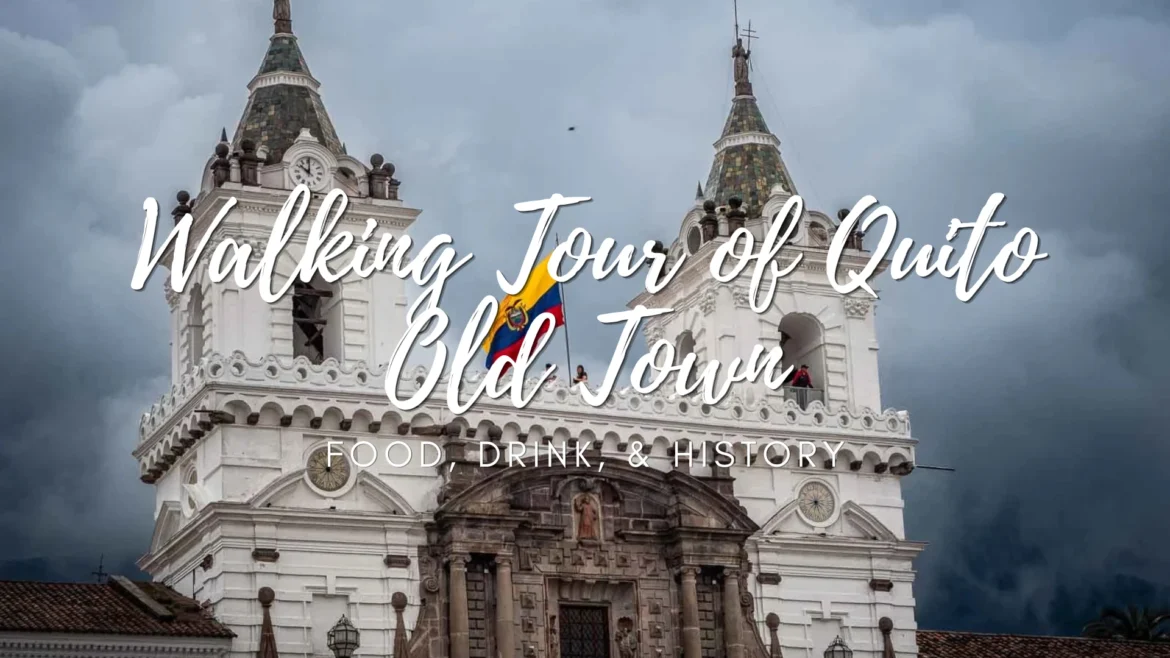
I will be honest. Booking a walking tour of Quito old town was a last minute decision I almost backed out of.
This Ecuador stop was never really part of the original plan. It was something I squeezed into a unique detour though South America on my way home from eastern Canada. Getting here was part of the adventure, piecing together routes using this multi-city Aeroplan strategy and even testing out different airlines like this Copa Airlines business class flight along the way.
But I digress.
I arrived late at night, tired, and honestly a bit unsure of what I had gotten myself into.
The streets around my hotel in Quito old town were quiet. Too quiet. Buildings were shuttered, and my Uber driver casually warned me about safety in the historic center after dark. Not exactly reassuring when you are arriving somewhere new.
I remember thinking, “Did I make a mistake adding this stop?”
But the next morning completely flipped that feeling.
Flights to Quito? Compare prices on flights to Quito with SkyscannerWhy Take a Walking Tour of Quito Old Town?
When I stepped out the next day, Quito felt like a different city.
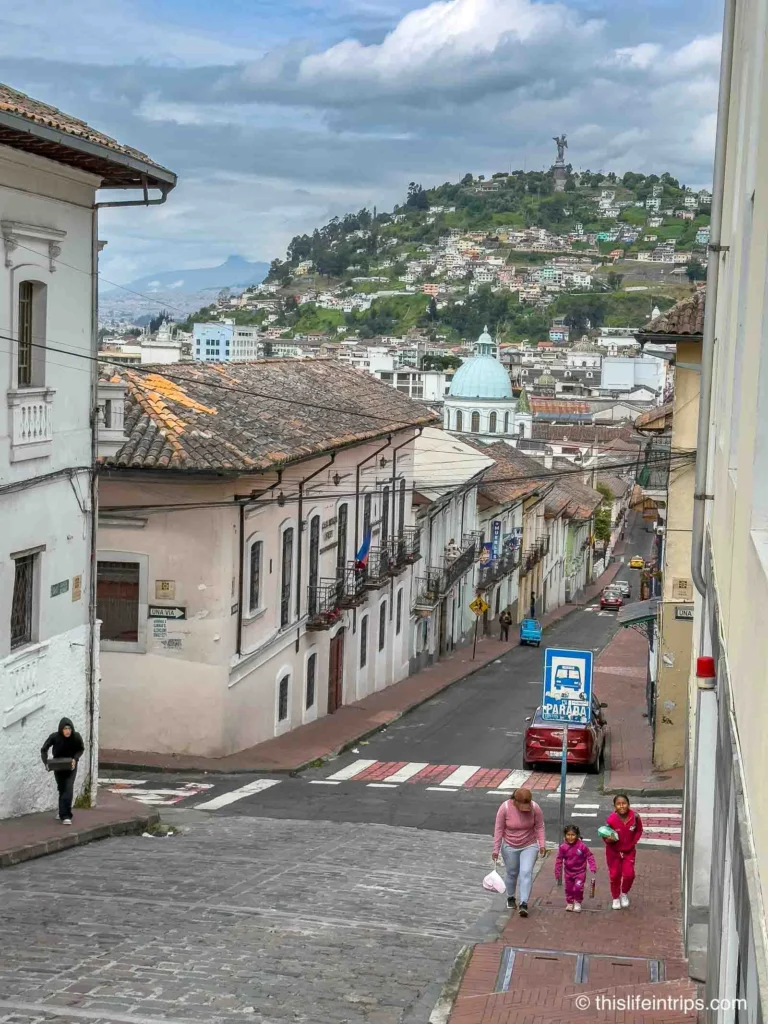
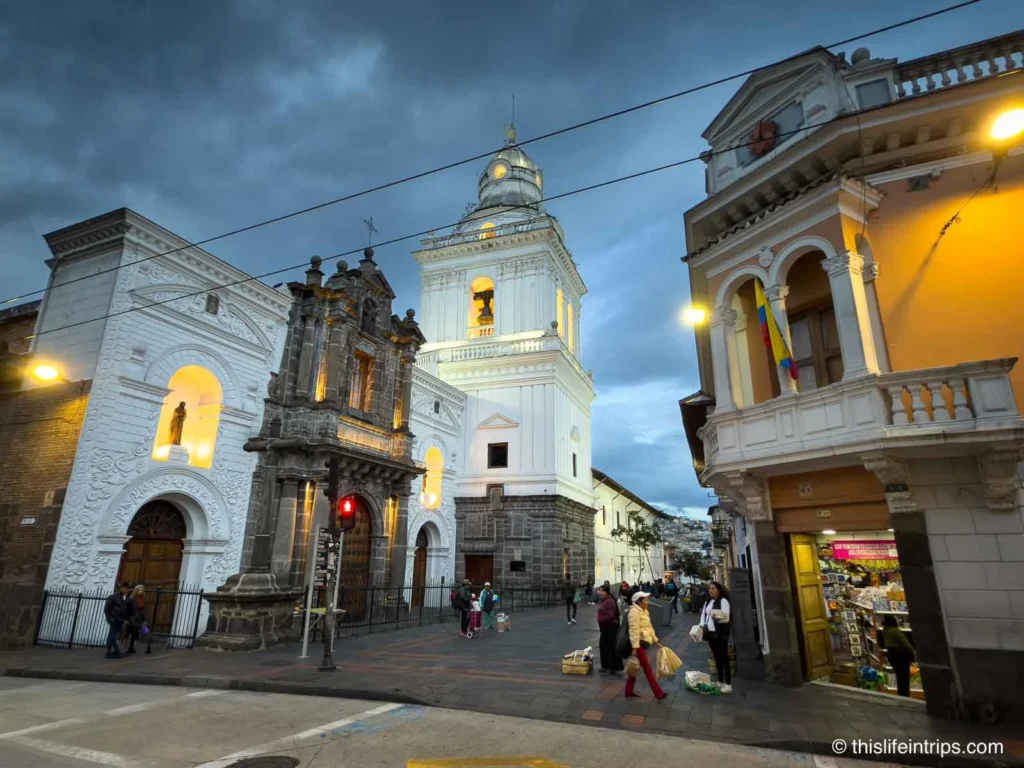
The same streets that felt empty the night before were now full of life. Locals were opening shops, street vendors were setting up, and the colonial architecture that I could barely see in the dark suddenly stood out in full detail.
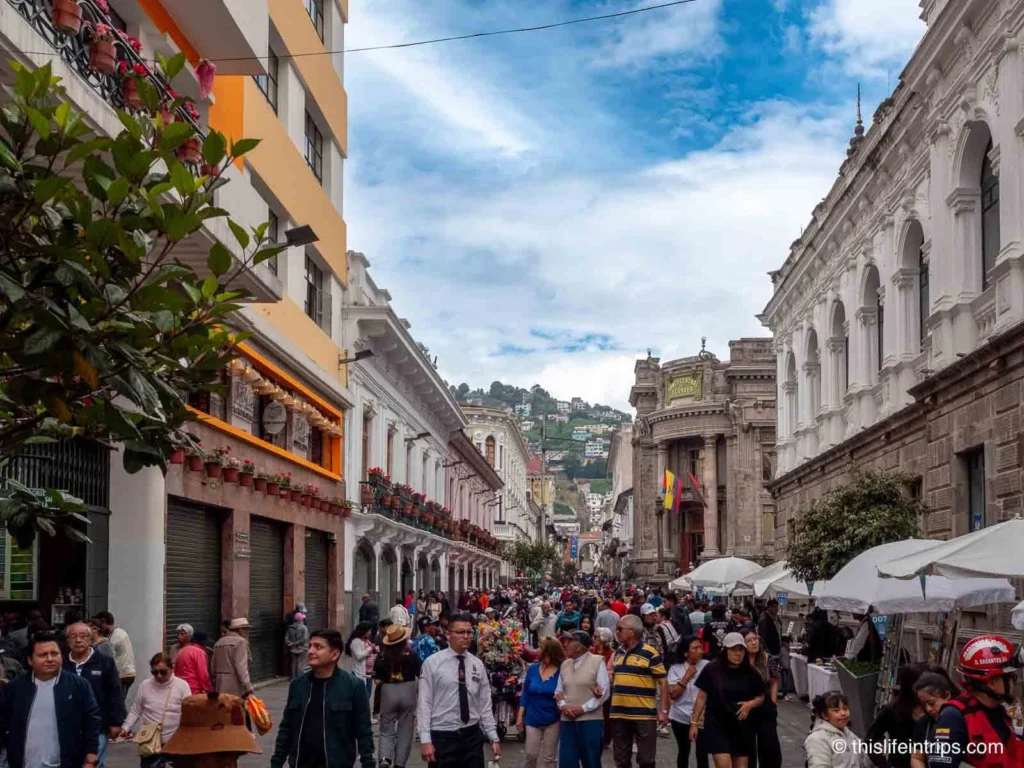
That is exactly why doing a walking tour of Quito old town makes so much sense.
Quito’s historic center is one of the best preserved in Latin America and was one of the first UNESCO World Heritage Sites designated in 1978. But without context, it is easy to just walk past buildings without understanding their significance.
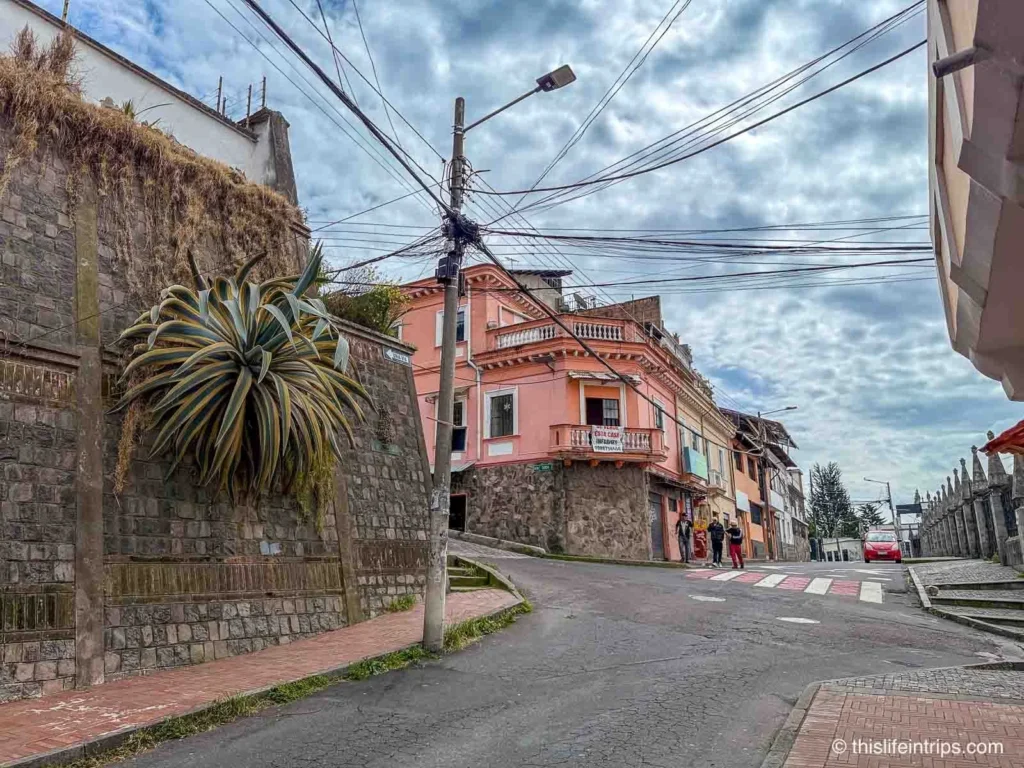
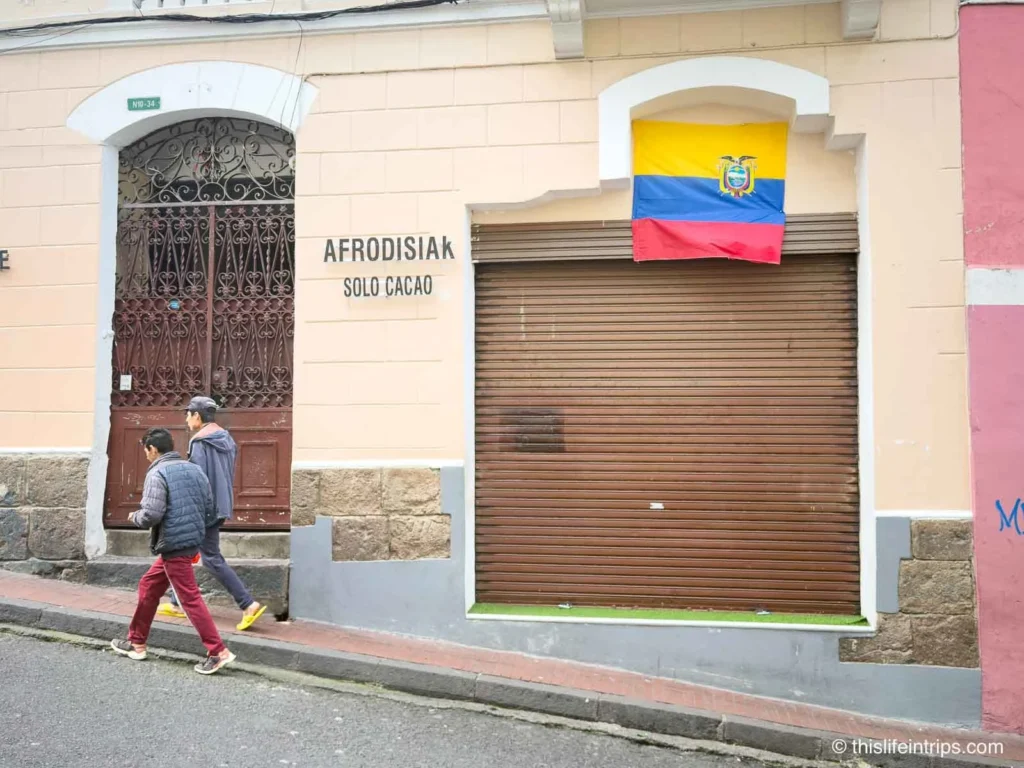
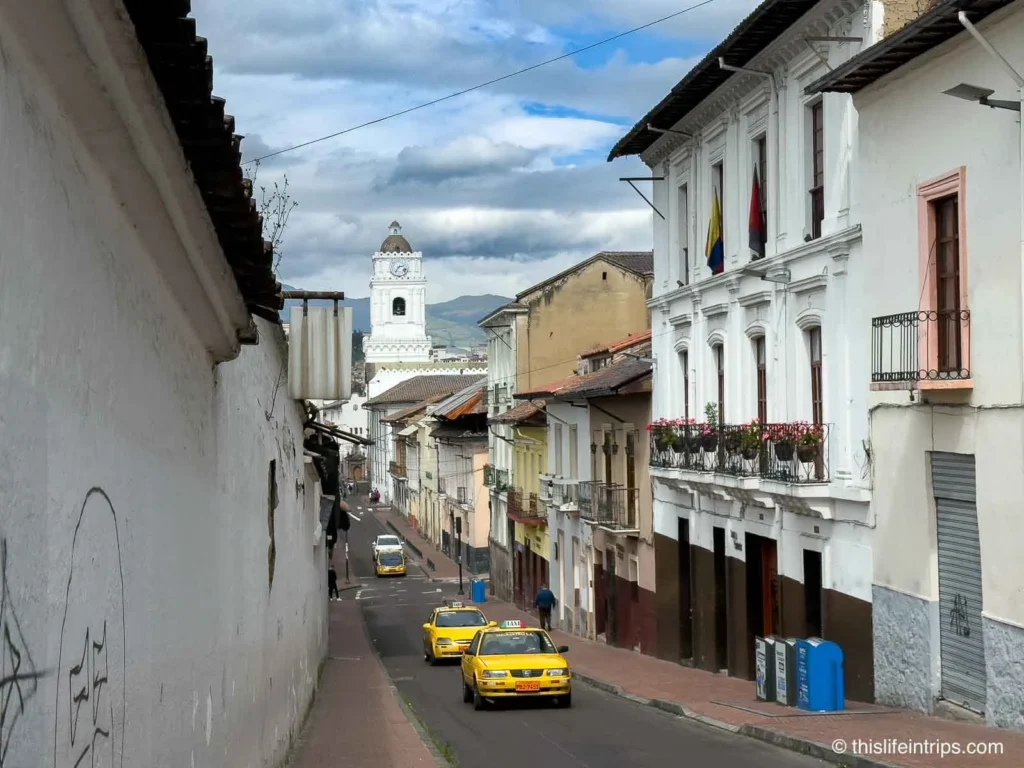
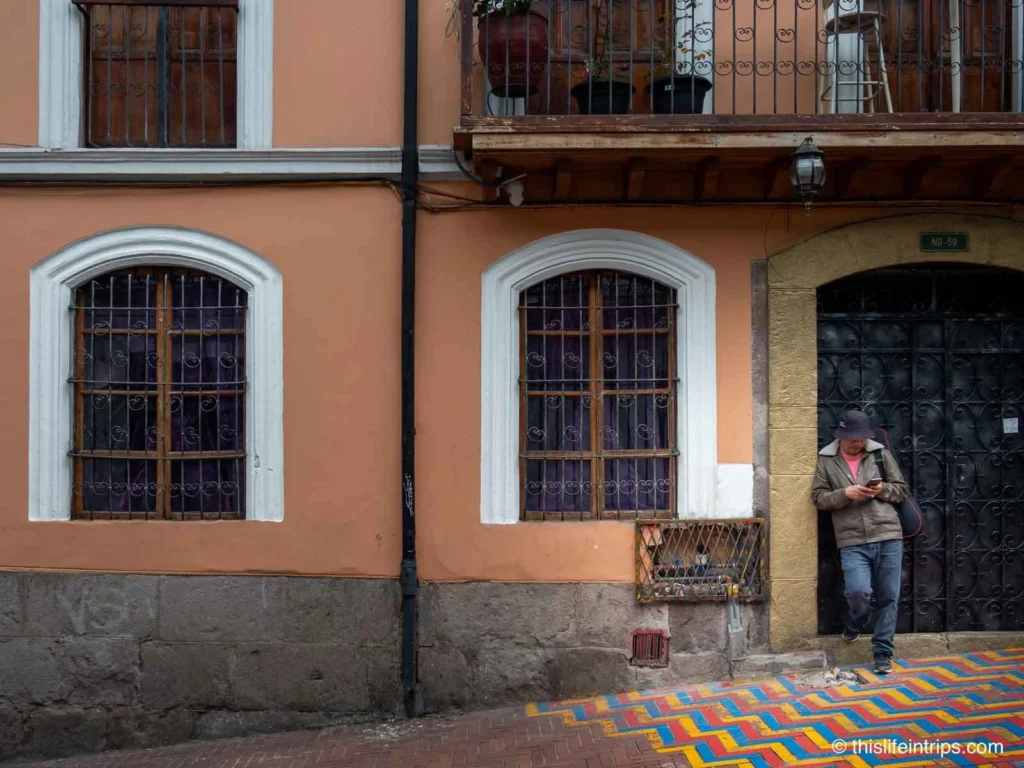
I booked this walking tour of Quito Old Town, hoping it would help me get my bearings. What I did not expect was how much it would completely reshape my experience.
Framed as a gastronomic and cultural tour, it blends history, local insight, and generous tastings into one well-paced walk through the city’s highlights and hidden corners. From sampling traditional bites to learning the stories behind Quito’s landmarks, it delivers far more than a standard introduction and is excellent value for what you get.
📌 Book Your Quito Old Town Tour Here
Meeting My Guide and First Impressions of Old Town Quito
I walked to the meeting point near one of the main churches, still a bit unsure of what to expect.
That is where I met Vivian.
Within minutes, I could tell this was going to be good. She had that perfect mix of knowledge and personality, balancing history with humor and making the group feel comfortable right away.
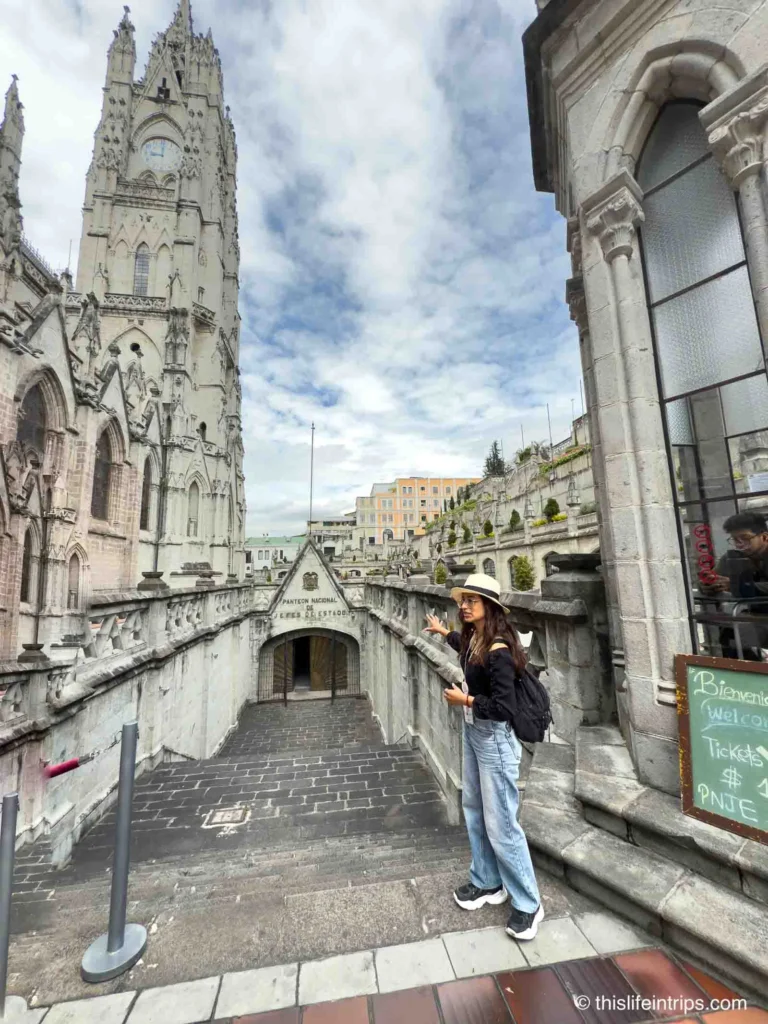
As we started walking through old town Quito, she began pointing out small details I would have missed completely. Carvings on buildings, historical markers, even the way streets were laid out all had meaning.
It was no longer just a pretty city. It had a story.
☕️ Traveling soon? Apply for your Ecuador tourist visa easily through iVisa
Basilica del Voto Nacional
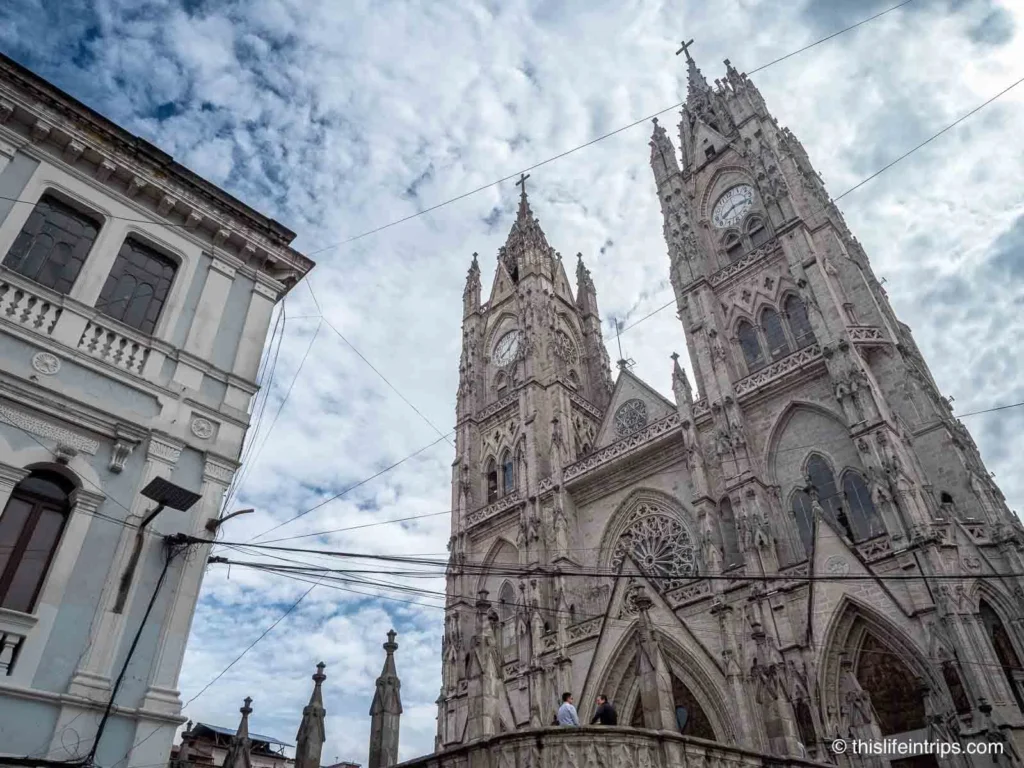
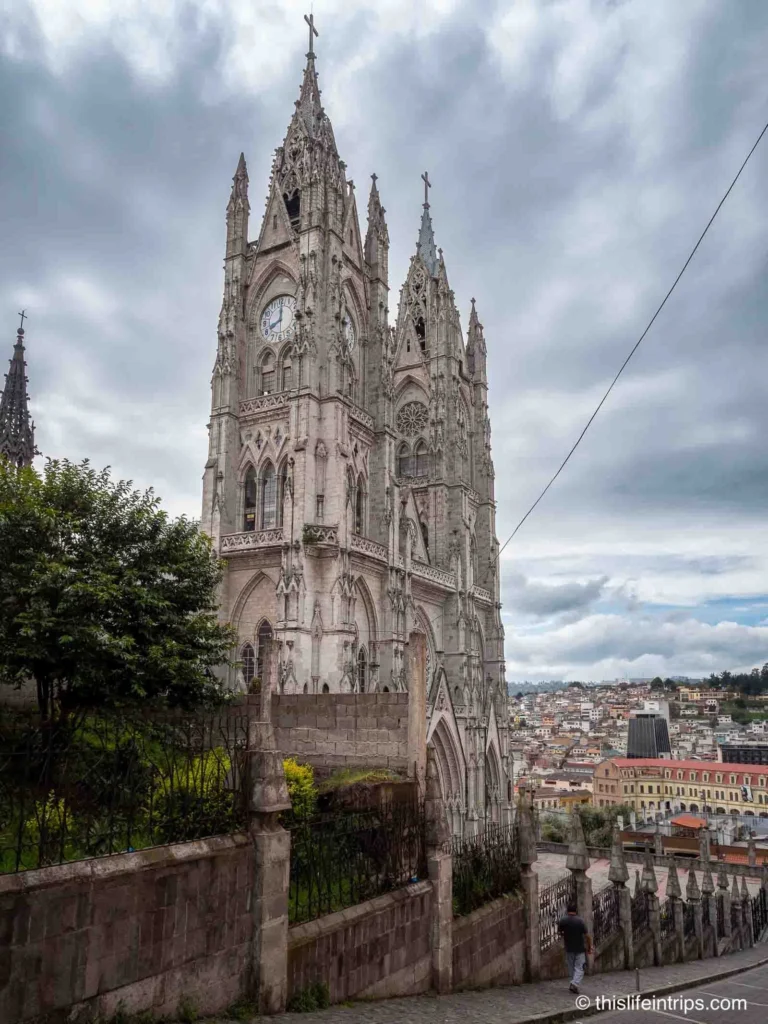
The first major stop was the Basilica del Voto Nacional, and it immediately set the tone.
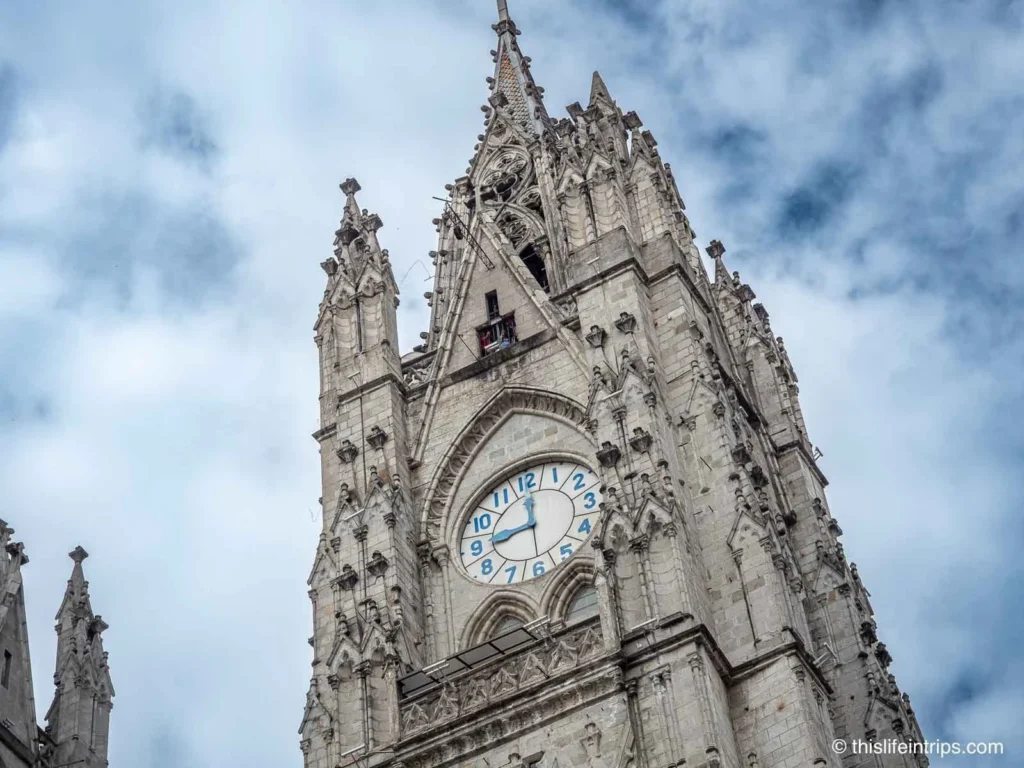
Standing at the base, looking up, it felt more like something you would expect in Europe than in Ecuador. Vivian explained how it is often compared to Notre Dame, but what really stood out were the details.
Instead of traditional gargoyles, the basilica features animals native to Ecuador. Once that was pointed out, I could not stop noticing them. Tortoises, iguanas, and even condors replace the usual medieval figures, giving the entire structure a distinctly local identity that feels both subtle and incredibly thoughtful once you catch on.
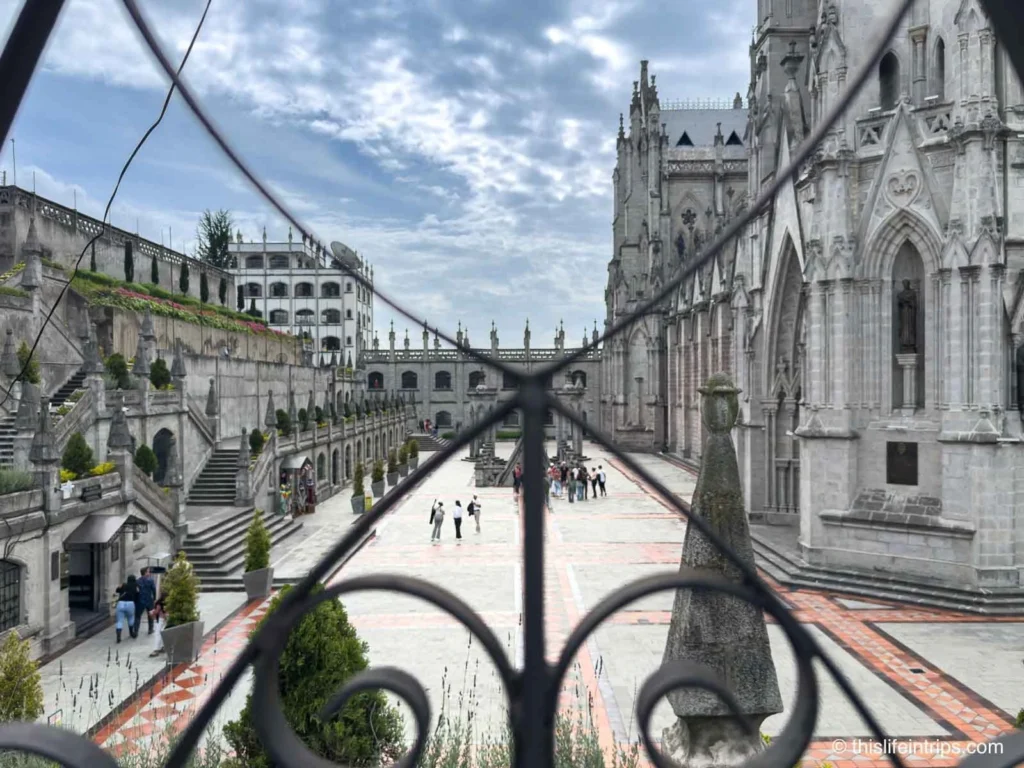
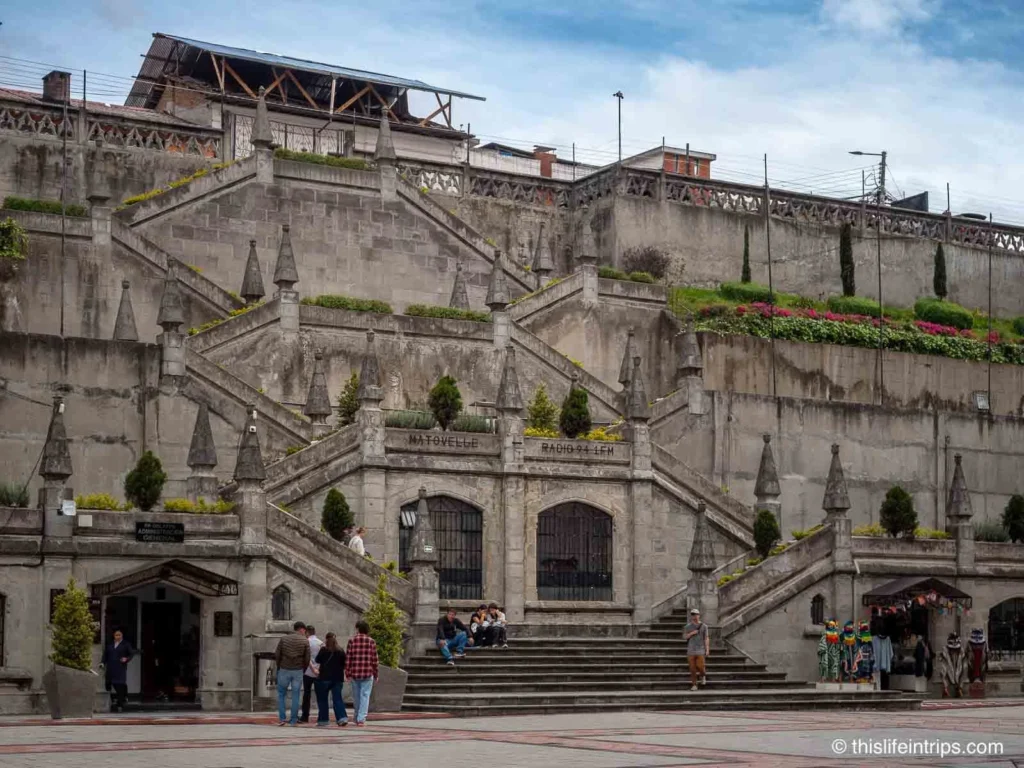
I did not make the climb up the towers this time, but it is absolutely an option and one I would consider on a return visit. I am always a fan of a climb with a good viewpoint payoff, and from what I saw, it is clear this is one of the best in the city. The scale of the basilica and its elevated position already hint at what is waiting at the top.
Standing there, you really get a sense of how Quito stretches and folds into the Andes, with layers of buildings framed by surrounding peaks. It sets the tone immediately, giving context to everything you will explore next.
It was the perfect start to this Quito Old Town walking tour.
Museo Camilo Egas
This stop added a layer I was not expecting.
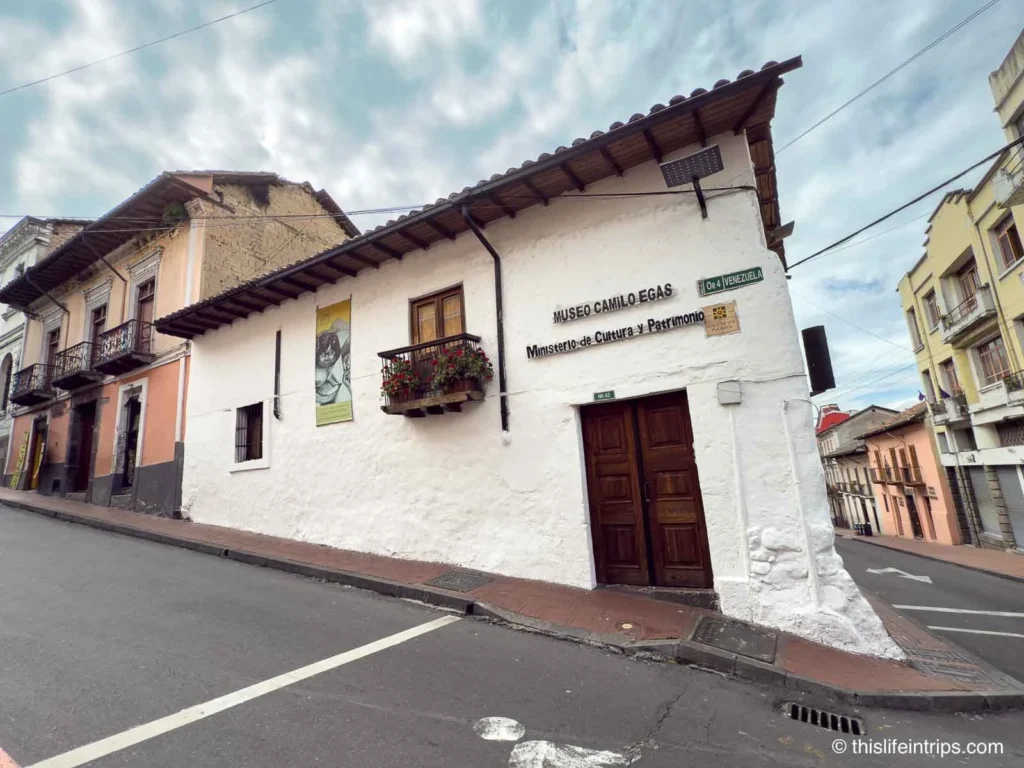
Inside, we learned about Indigenous culture in Ecuador through art. Vivian took time to explain how these influences still shape the country today, from traditions to politics.
It was not the most visually impressive stop, but it gave context to everything else we were seeing. It made the tour of Quito feel more complete.
Cultural Highlight: Aya Huma Mask and Dance
One stop took us into a souvenir shop, which I will admit is not always my favorite part of a tour. It can sometimes feel a bit forced. But this one turned out to be surprisingly fun and genuinely engaging.
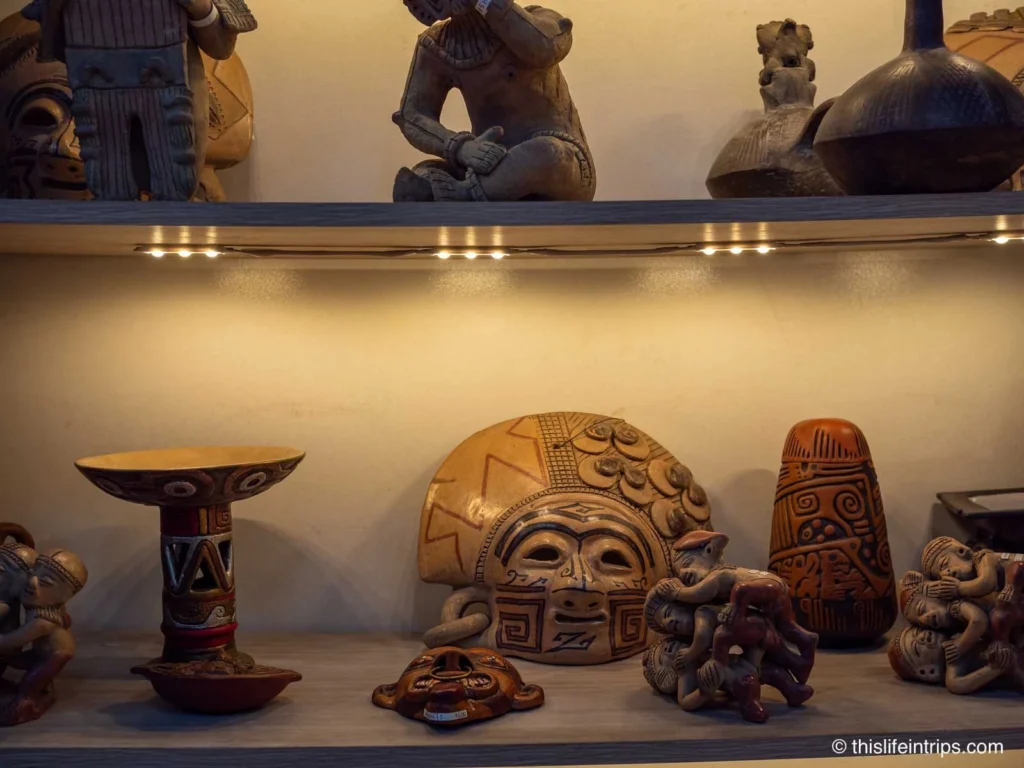
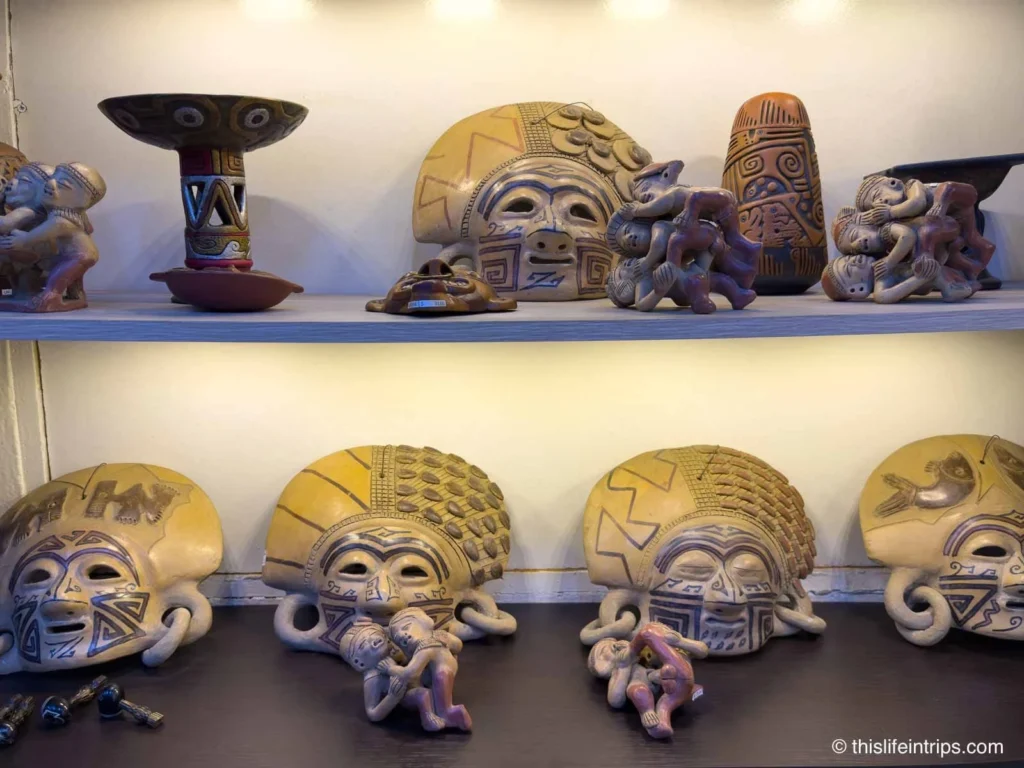
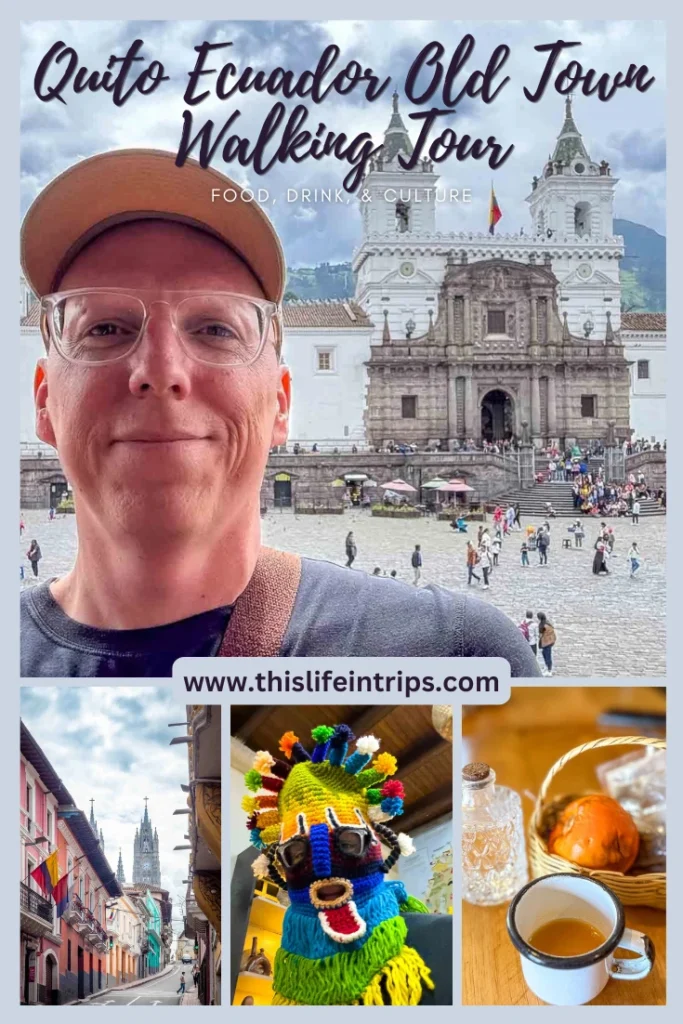
Once inside, we were introduced to the Aya Huma (also called Diablo Huma), a traditional Andean mask tied to the Inti Raymi festival. These are the colorful, knitted wool masks with two faces, symbolizing duality and balance. Vivian explained how the long ears represent the four directions or elements, while the braided ponytail reflects wisdom. The mask itself is seen as a guiding spirit, meant to protect and drive away evil.
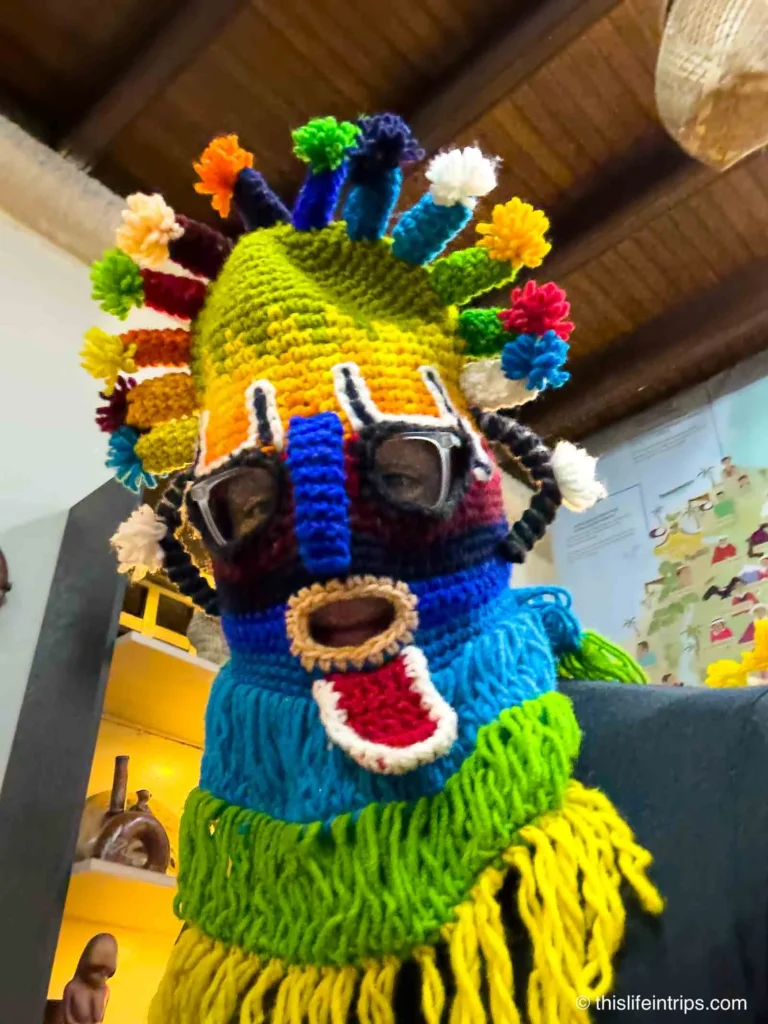
Then came the unexpected part, we actually got to take part. After a quick explanation, we were invited to try a few dance steps ourselves. It was lighthearted, a bit chaotic, and a lot of fun.
It is moments like this that can go either way on a tour, but here it added something memorable and personal to the experience.
Local Snack Stop
Then came the first food stop.
At a small local shop, we tried roasted corn with sugar. It had a funny nickname that got a laugh from the group, but once we tried it, everyone went back for more.
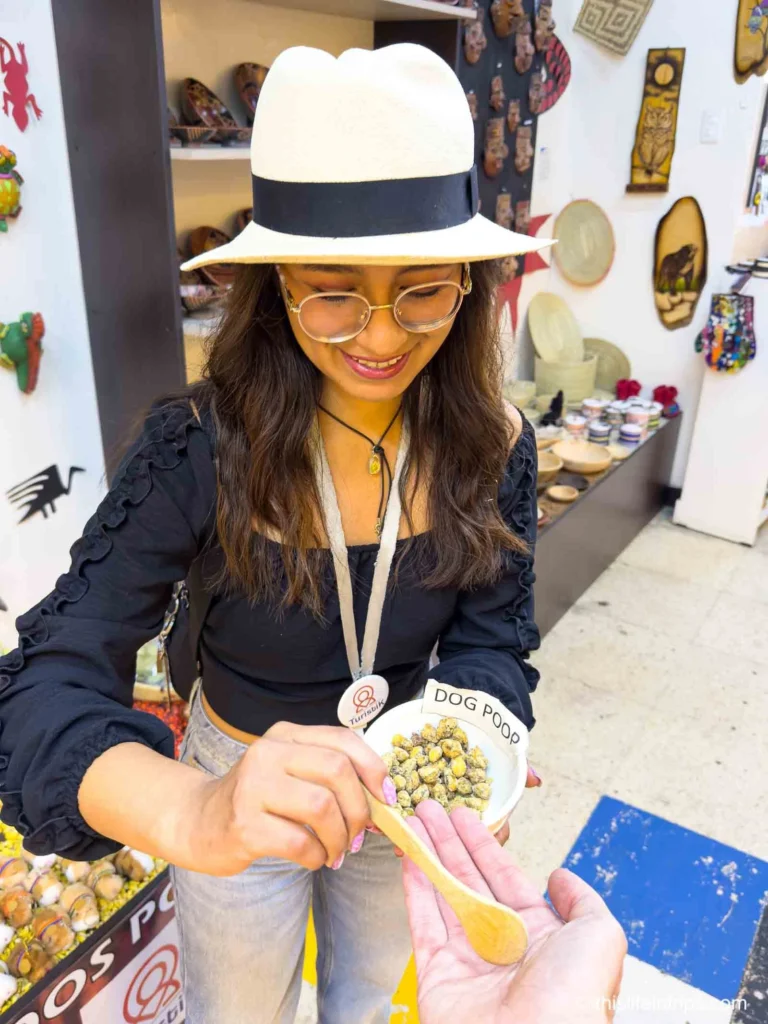
What stood out to me here was how different it felt from Colombia. During my time in Medellin, especially on this food tour in Medellin, I found a lot of dishes leaned heavily toward fried foods. Delicious, but definitely heavier.
Here in Quito, the snacks felt lighter, simpler, and more balanced.
Calle de las Siete Cruces, Sandwiches and Sips Along the Way
Walking down Calle de las Siete Cruces, lined with historic churches, felt like stepping back in time. It is one of those stretches in Quito where every block has a story, and it sets the tone perfectly before the food stops begin.
Then came the sandwich stop.
I will admit, I had pretty low expectations. Sandwiches are not something I typically associate with Ecuador. But this ended up being one of the biggest surprises of the day. Fresh bread, simple ingredients, and so much flavor. It was one of those moments where you realize how good simple food can be when it is done right.
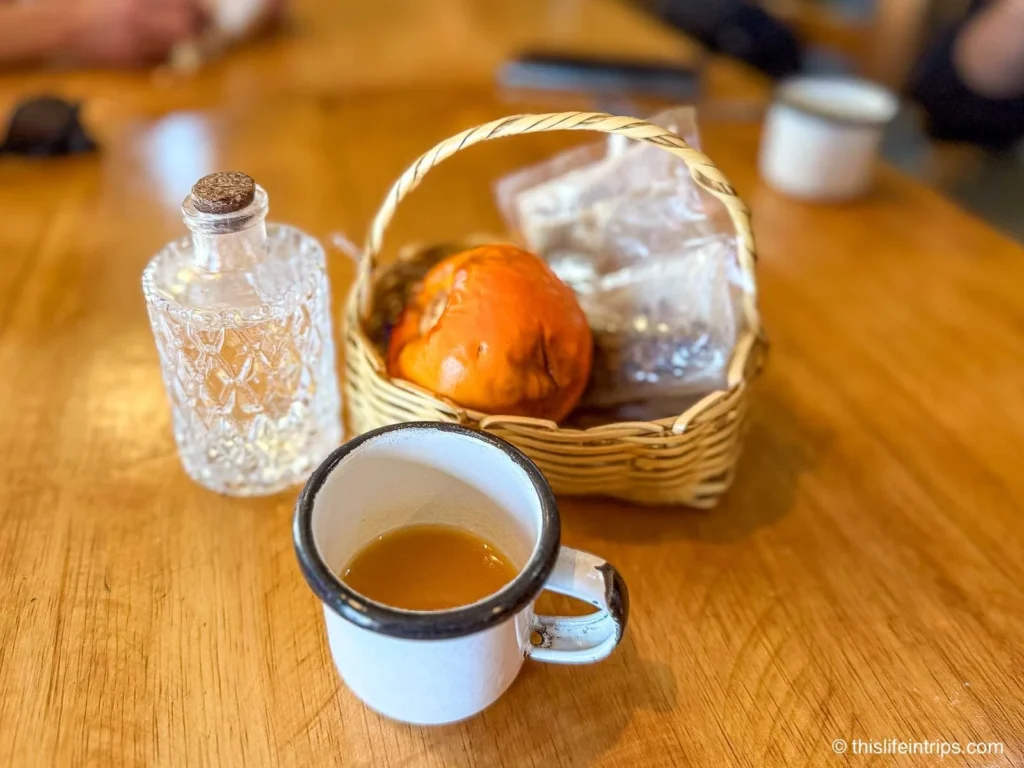
What I did not realize going in is that sandwiches actually have a place in Quito’s food culture, especially in the Old Town. They evolved as quick, affordable options for locals working and moving through the busy plazas, influenced by Spanish techniques but built around local ingredients. Think roasted pork, fresh cheese, avocado, and aji, all packed into crusty rolls baked fresh daily. It is simple, traditional, and when done well, unexpectedly great.
The tour does a nice job of balancing these food moments with local drinks and sweets. One standout was canelazo, a warm spiced drink made with aguardiente, cinnamon, and naranjilla, often served hot in the high-altitude chill. It is considered a national favorite and has that comforting, slightly citrusy kick that makes it easy to see why.
There were also boozy treats in the mix, including mistelas, small liquor-filled candies that pack more punch than you expect. These traditional sweets have been around for generations, often tied to celebrations and local festivals.
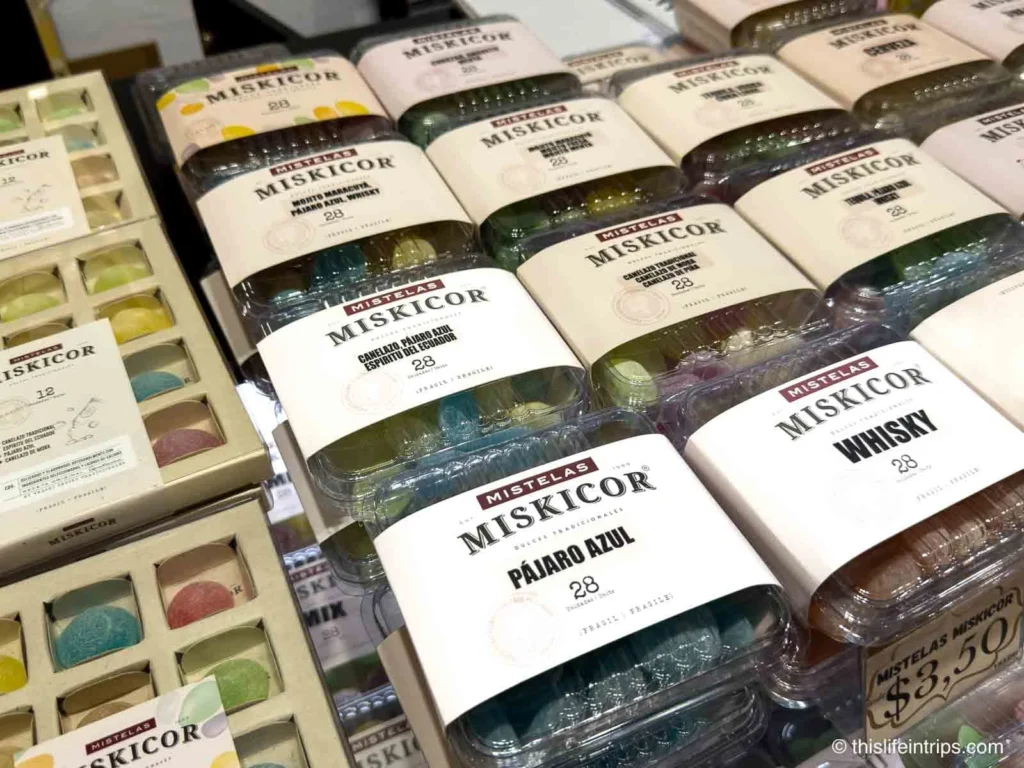
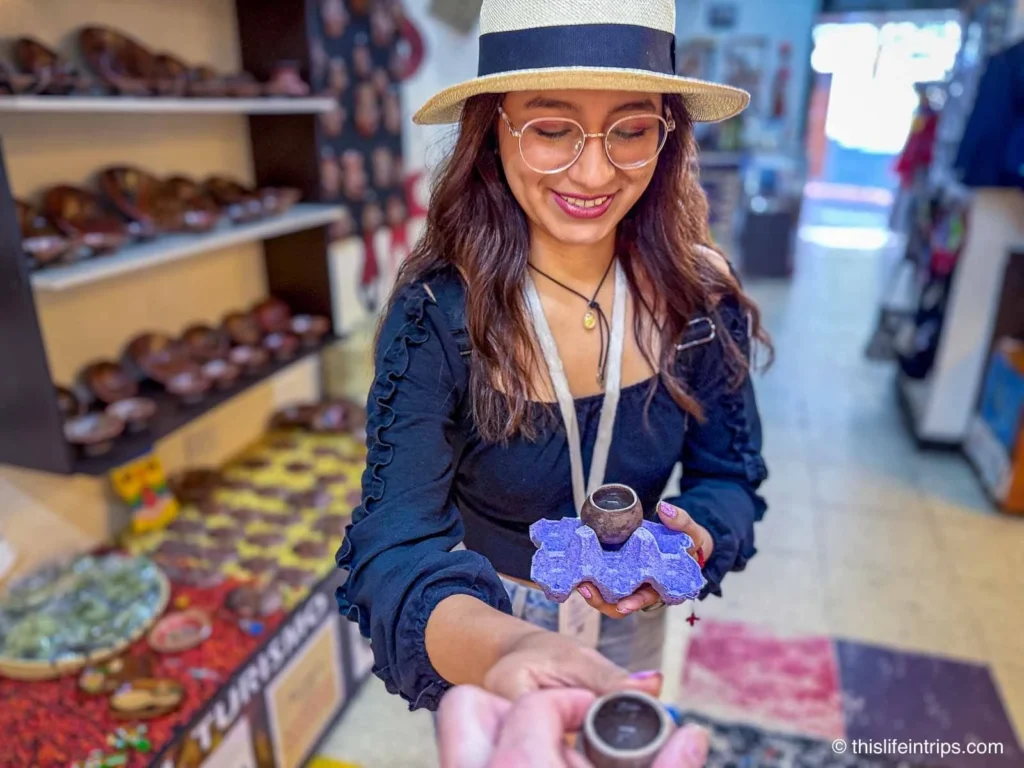
What stood out most was not just the flavours, but the stories behind them. Each stop added a layer of context, turning what could have been simple tastings into something far more immersive. It is these small, personal touches that make a Quito Old Town walking tour feel like a true introduction to the city rather than just a checklist of sights.
Palacio Arzobispal and Street Food
This was easily one of my favorite parts of the walking tour of Quito old town.
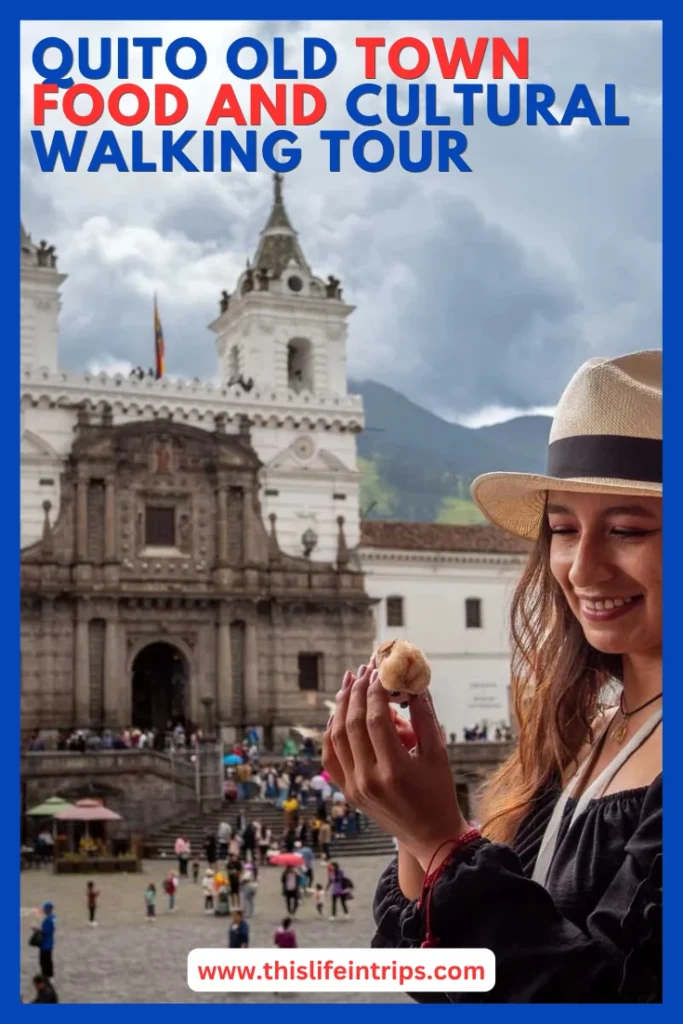
The courtyard at Palacio Arzobispal is beautiful, but what made it memorable was sitting down and eating. We tried empanadas and other local snacks, and everything was fresh and full of flavor.
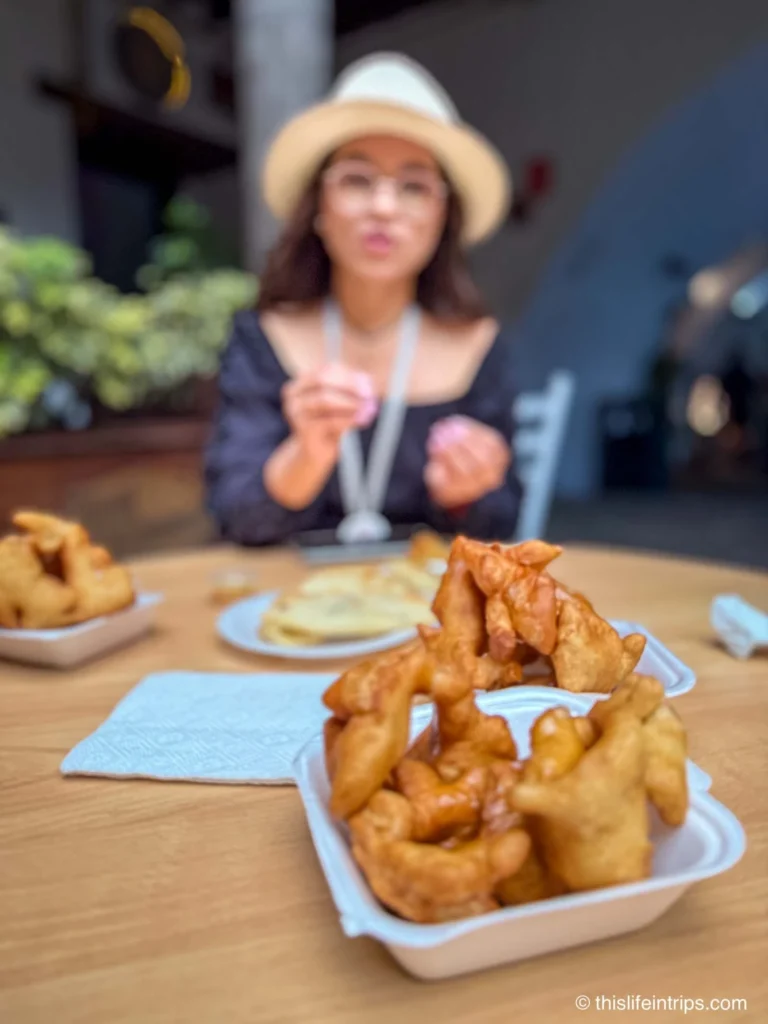
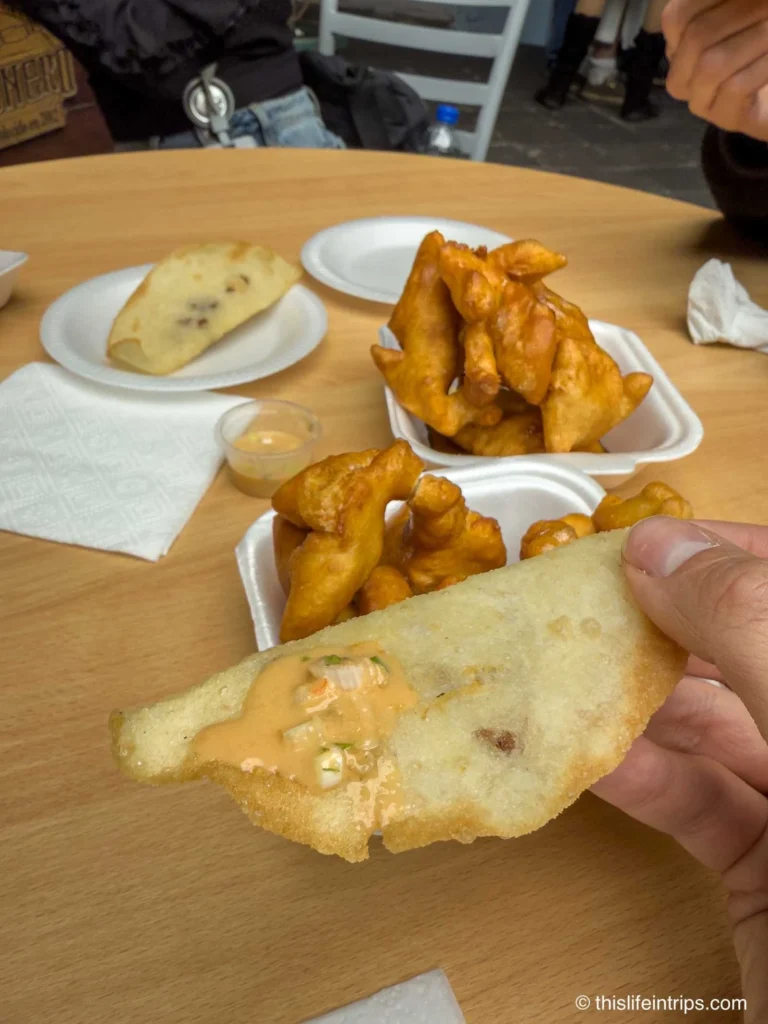
It reminded me of exploring neighborhoods like Comuna 13, where I had taken this guided tour in Medellin’s Comuna 13, where food, culture, and storytelling all blended together.
Plaza Grande and the Heart of Old Town Quito
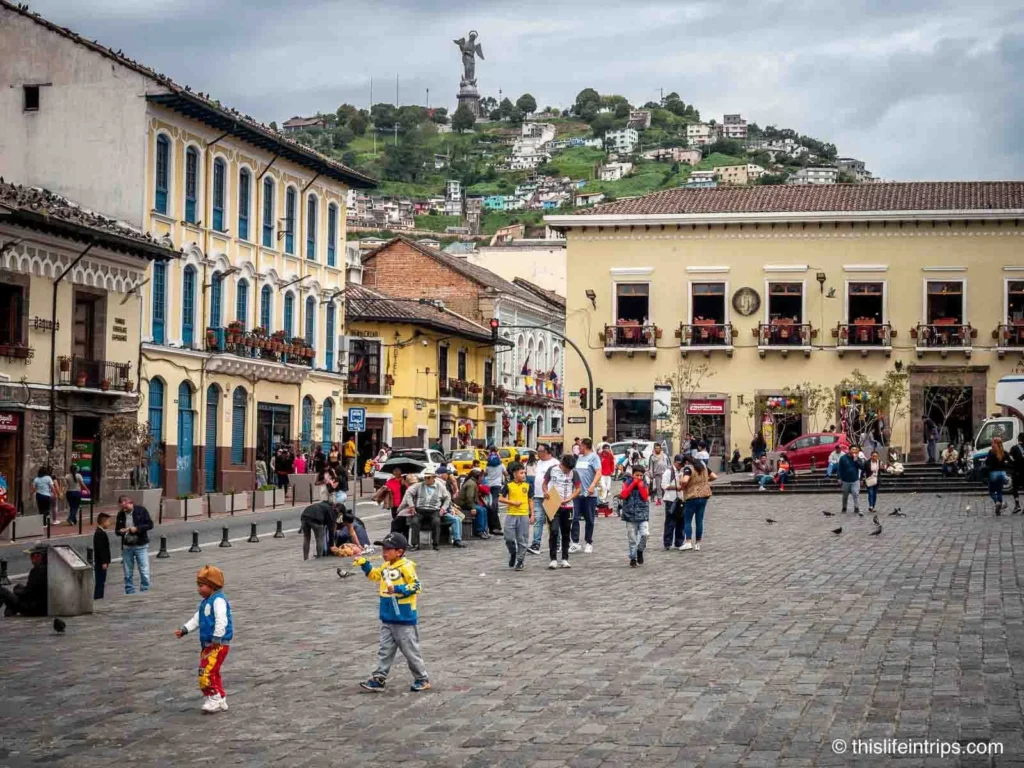
When we reached Plaza Grande, it felt like we had arrived at the center of everything.
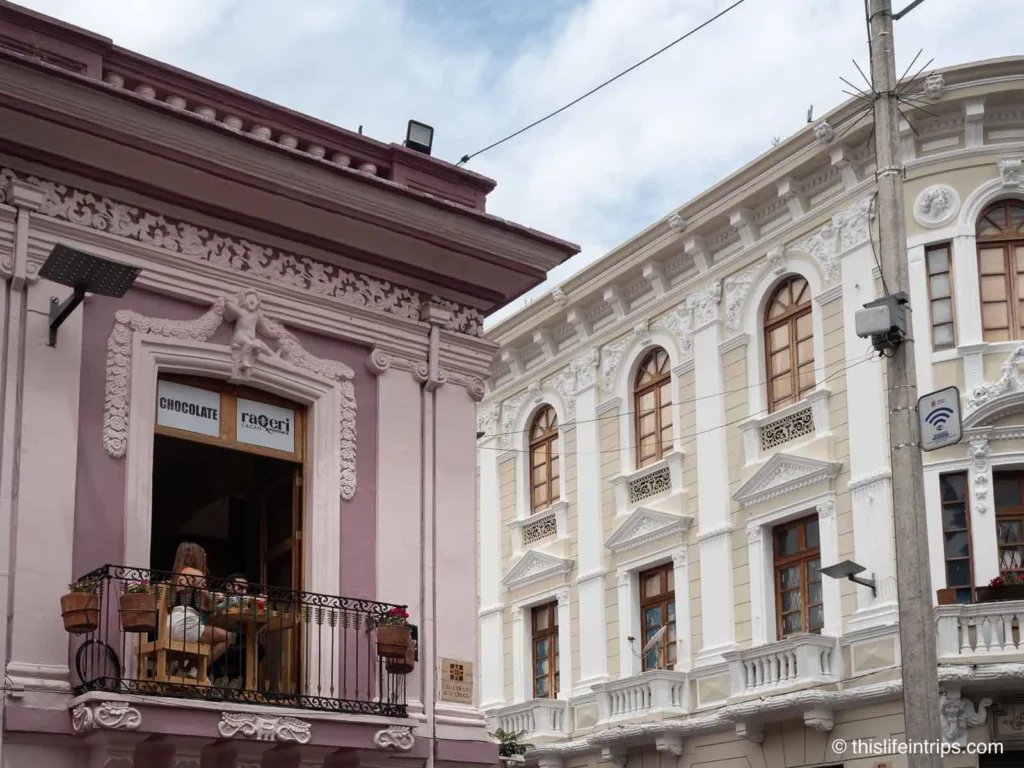
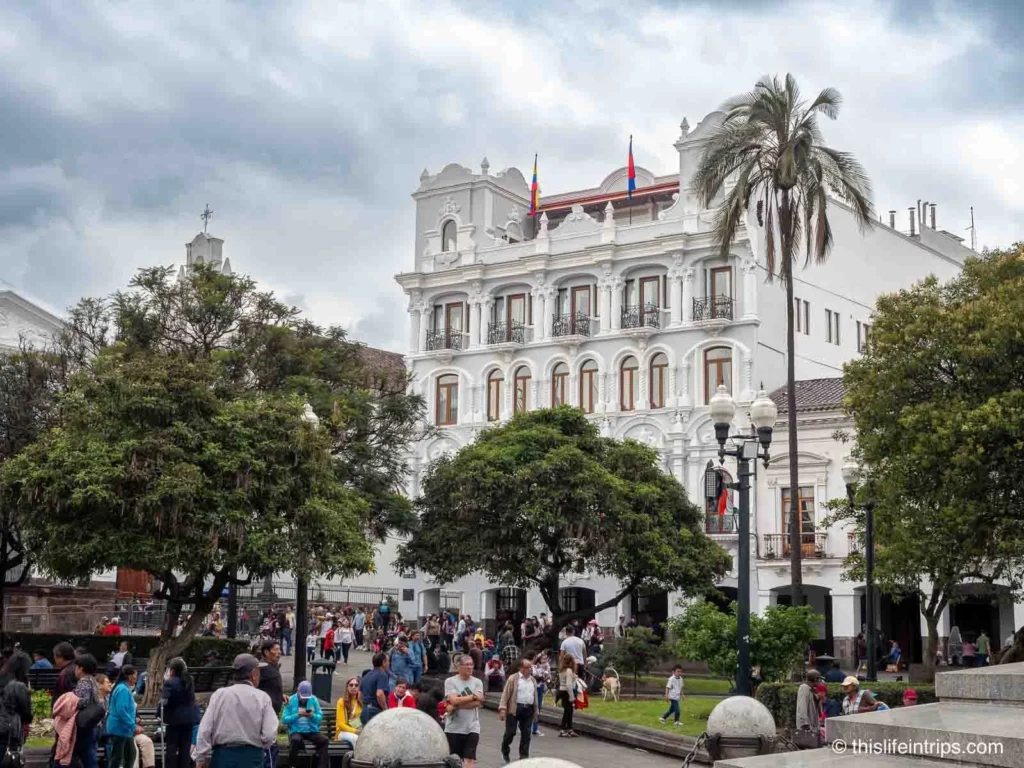
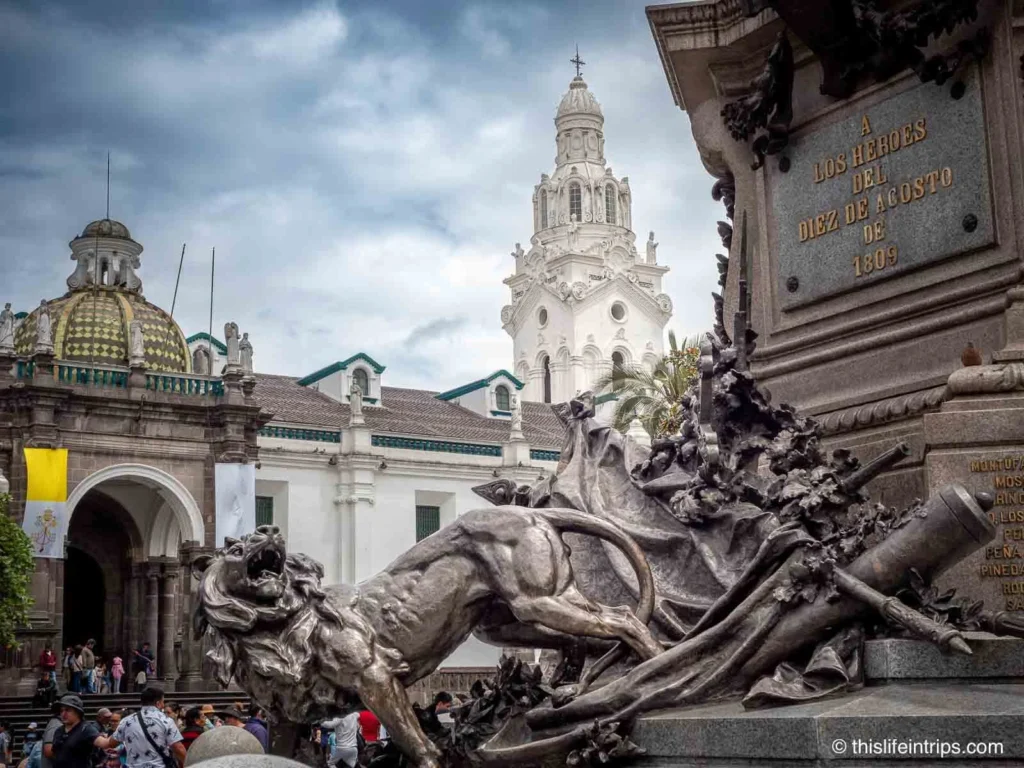
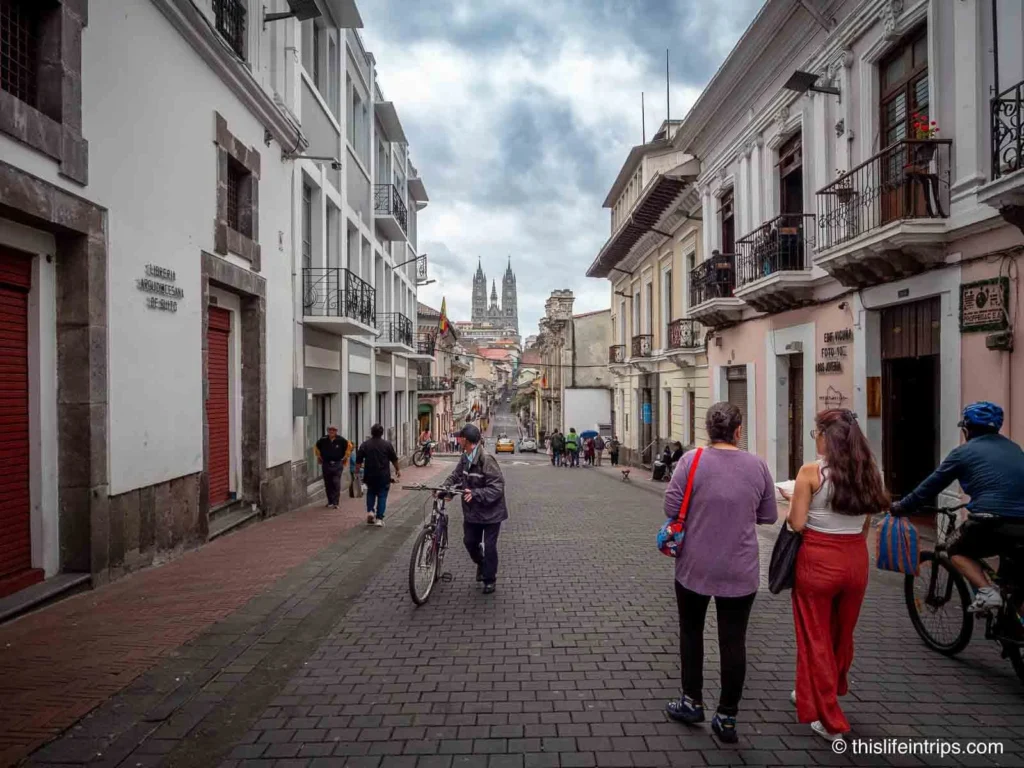
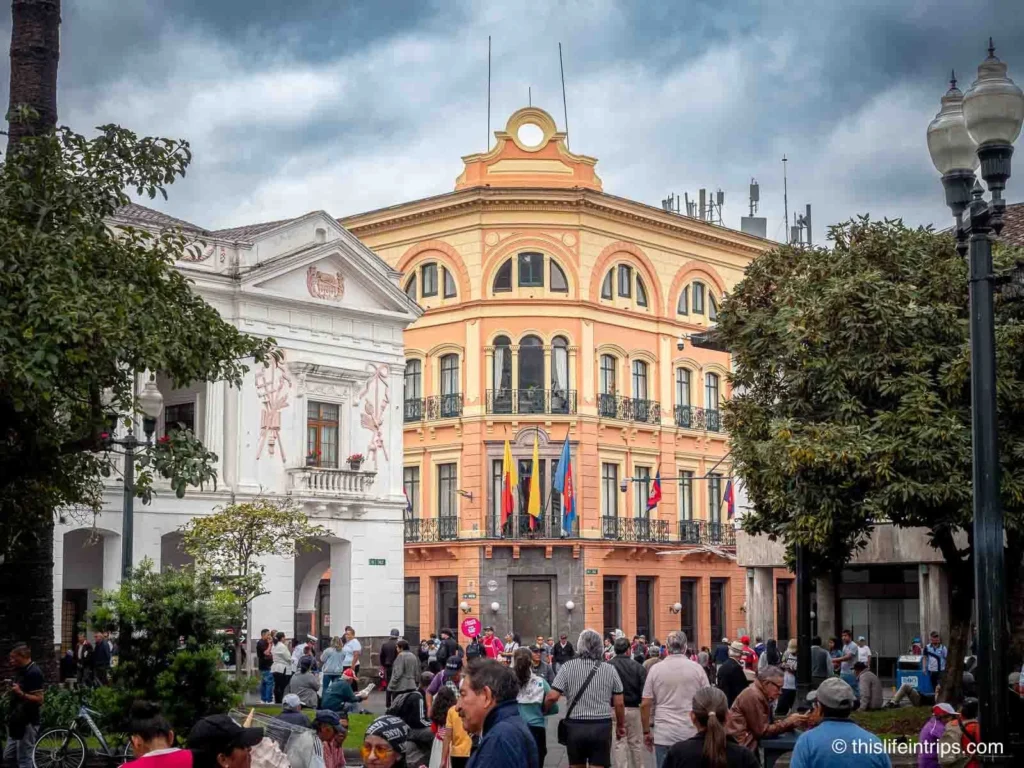
Surrounded by important buildings, this square is where Ecuador’s history really comes together. Vivian walked us through key events, pointing out where they happened and why they mattered.
Having spent 5 days exploring Medellin, I took a walking tour of Medellin’s city center and I couldn’t help but compare the two. Medellin felt modern, energetic, and forward looking, while old town Quito felt like stepping back in time, deeply rooted in its colonial past and layered with history at every turn.
The architecture here is more ornate, more traditional, and incredibly well preserved.
Currency, Culture, and Small Details
One of the more unexpected parts of the tour of Quito was learning why Ecuador uses the US dollar.
It is not something you think about when you arrive, but understanding the economic history added another layer to the experience.
These small insights are what make guided tours worth it.
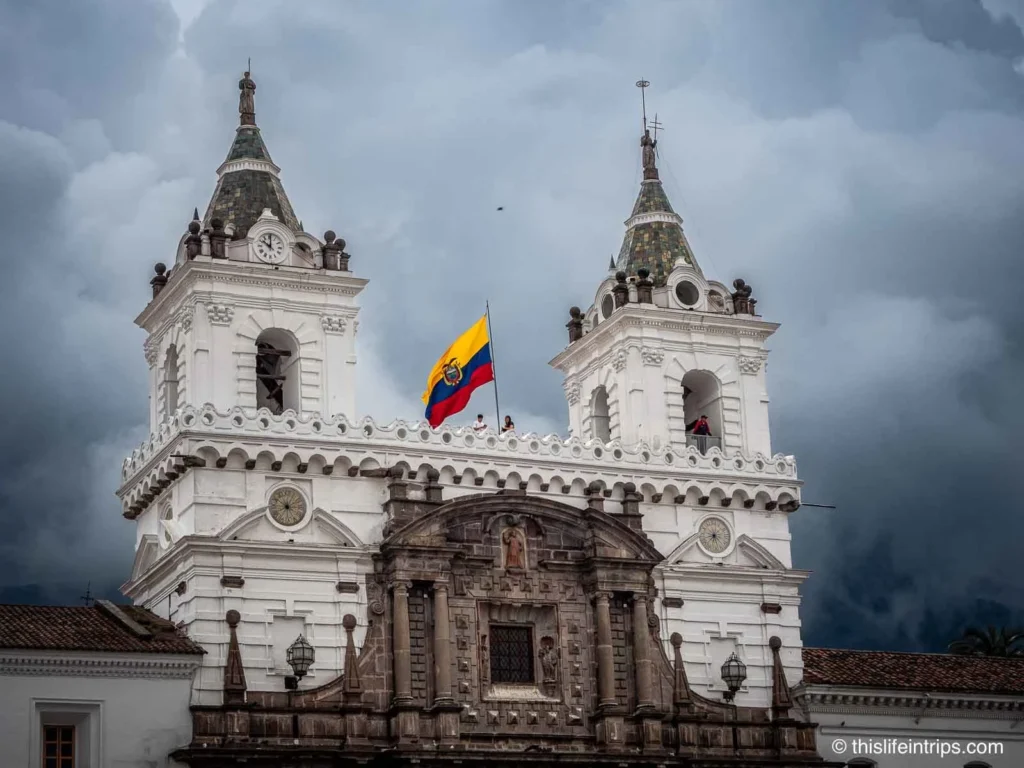
Iglesia y Convento de San Francisco
This was one of the most impressive stops in terms of scale.
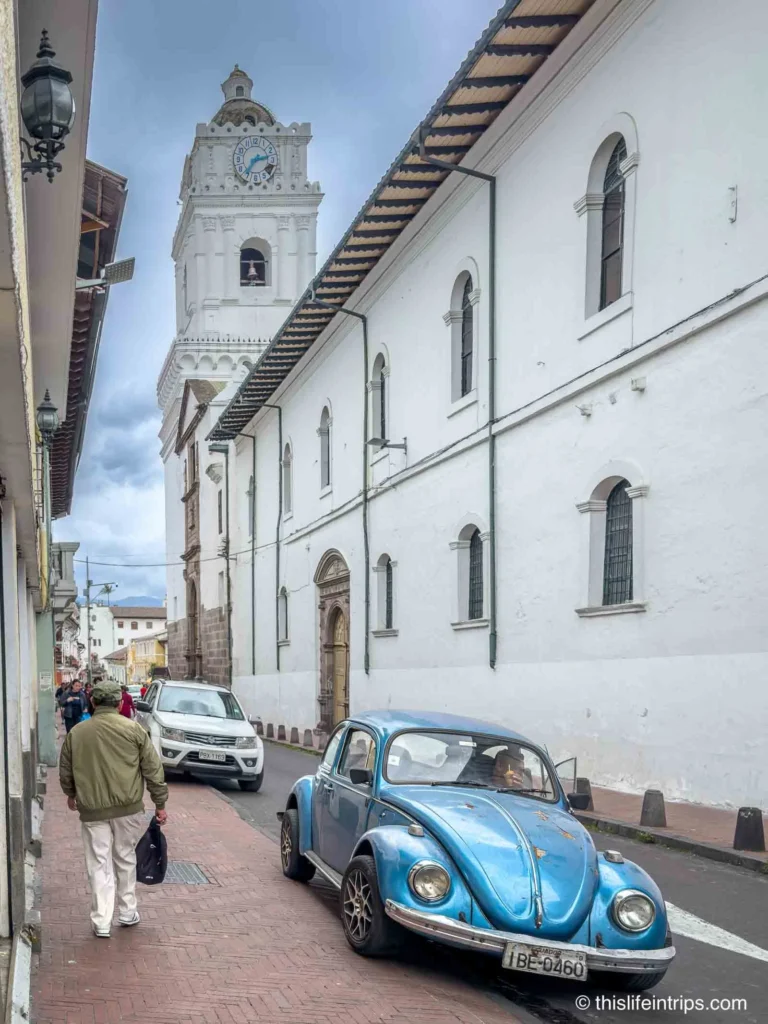
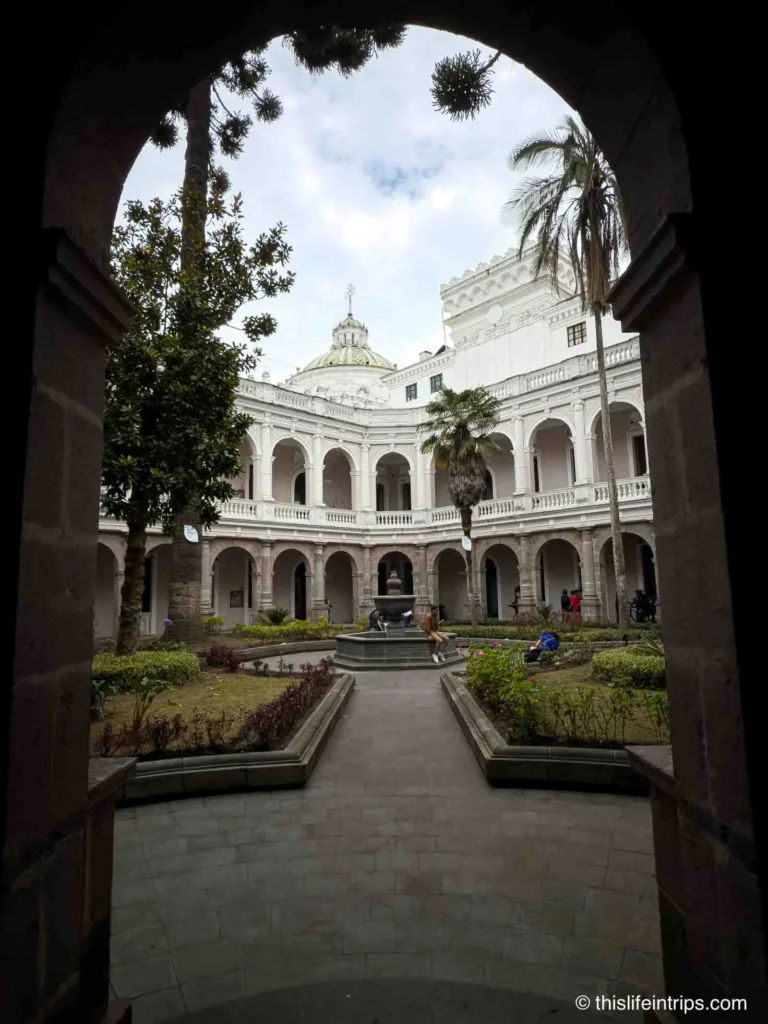
The size of the convent is hard to fully grasp until you are standing in front of it. Vivian shared stories about its construction and significance, which made it feel more than just another building.
It is one of those places that really defines Quito old town.
Chocolate Tasting and Ecuador’s True Claim to Chocolate
This was the highlight for me.
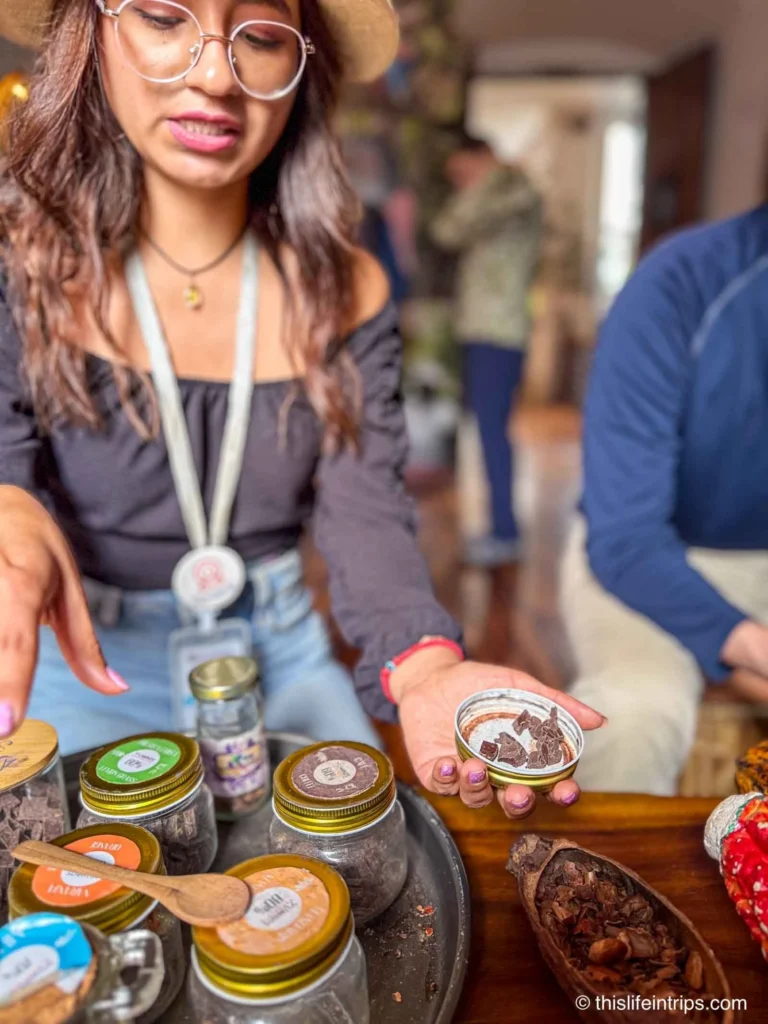
At the chocolate shop, we learned that Ecuador is one of the original homes of cacao, which completely changed my understanding of chocolate history.
Cacao was being cultivated here thousands of years ago, with some of the earliest evidence coming from Ecuador’s Amazon region over 5,000 years ago. It later spread north to civilizations like the Maya and Aztec, where it was consumed as a bitter ceremonial drink.
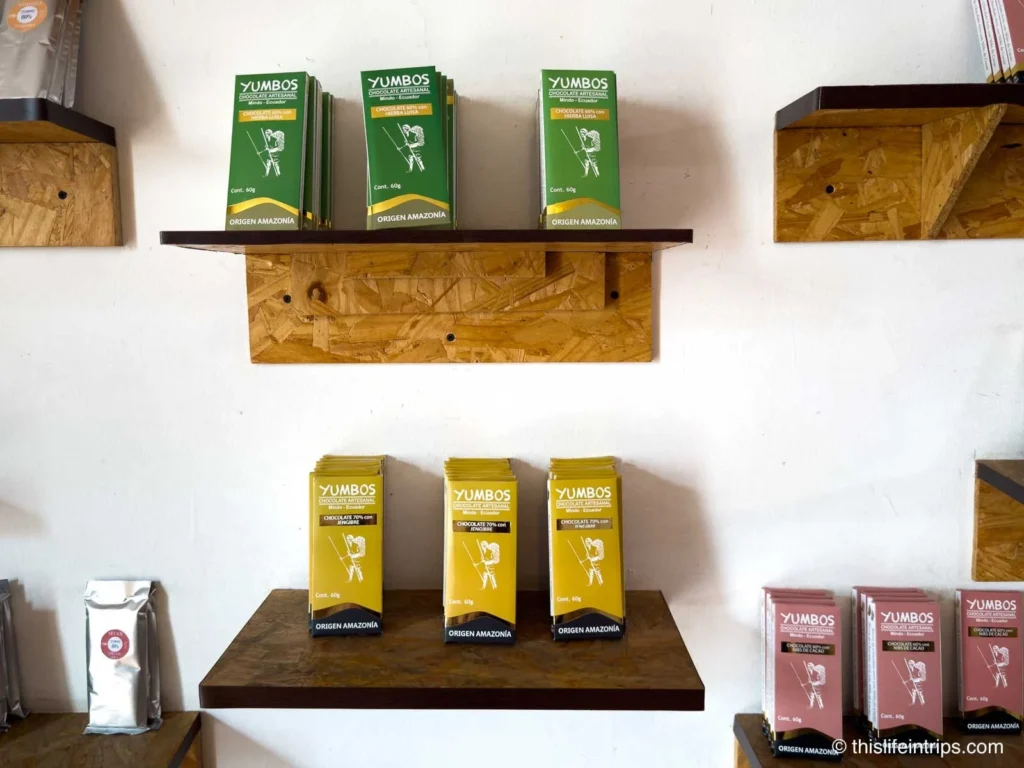
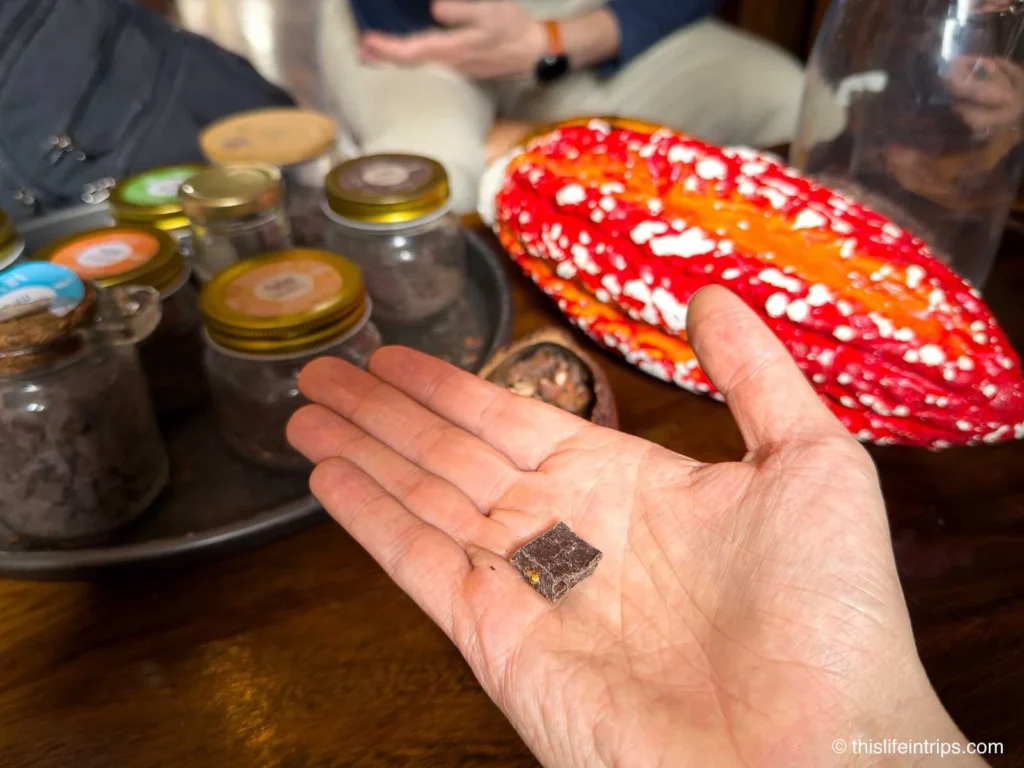
Ecuador also became a major cacao exporter in the 18th and 19th centuries and is still known for its prized “Arriba Nacional” beans, valued for their complex flavour. Tasting chocolate here is not just about the product, it is about experiencing it at its source.
The tasting itself was fantastic. Each variety had a distinct flavor, and you could really taste the quality.
I ended up buying a few bars, with the salt and chili one being my favorite. Slightly spicy, slightly sweet, and something I wish I had bought more of.
A Relaxed Finish in Plaza San Francisco
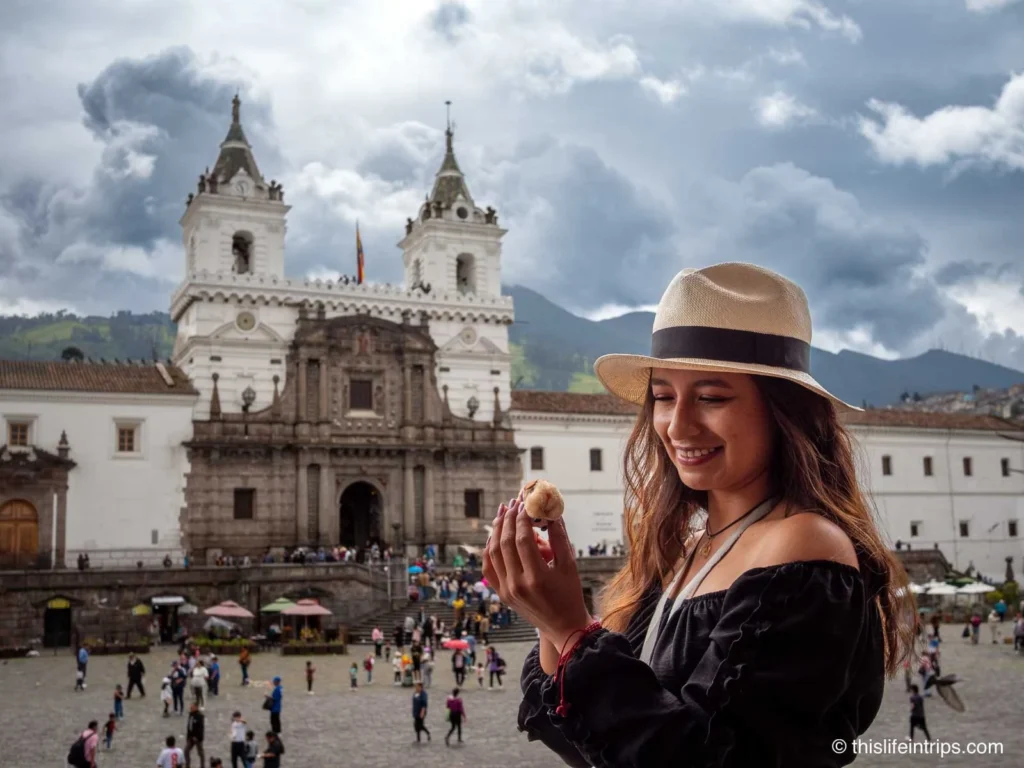
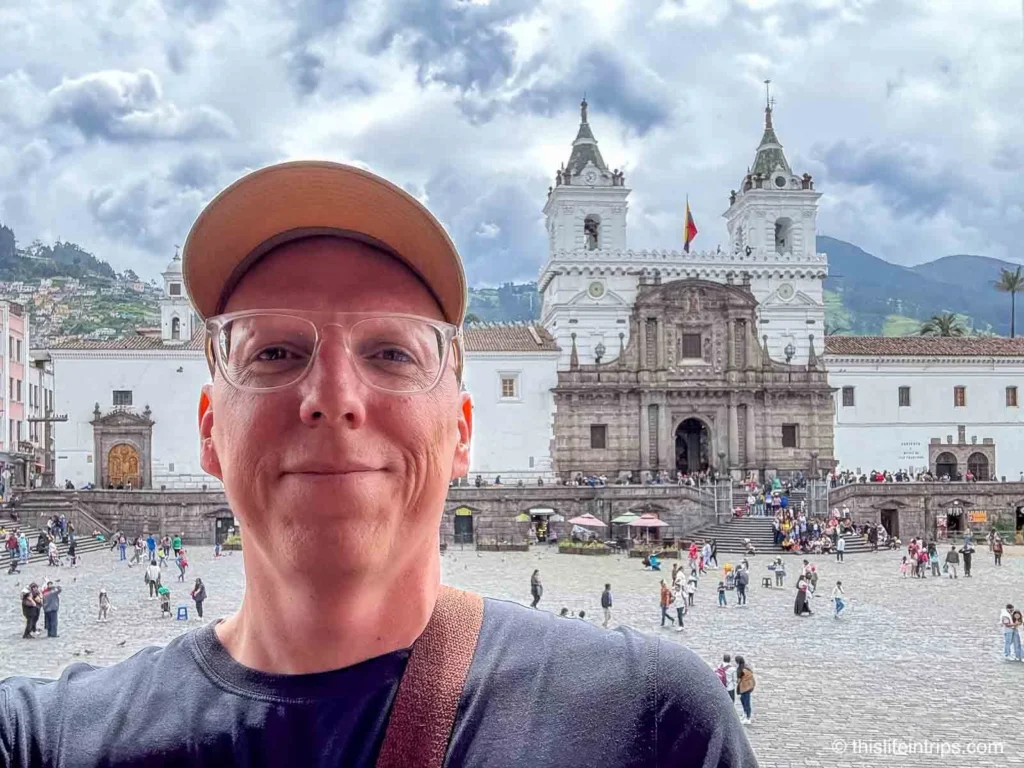
We wrapped up the tour in Plaza San Francisco, taking a moment to soak in the surroundings after a full afternoon of walking, tasting, and learning. Without a formal final stop or hot drink, it felt more like a natural wind down than a structured ending.
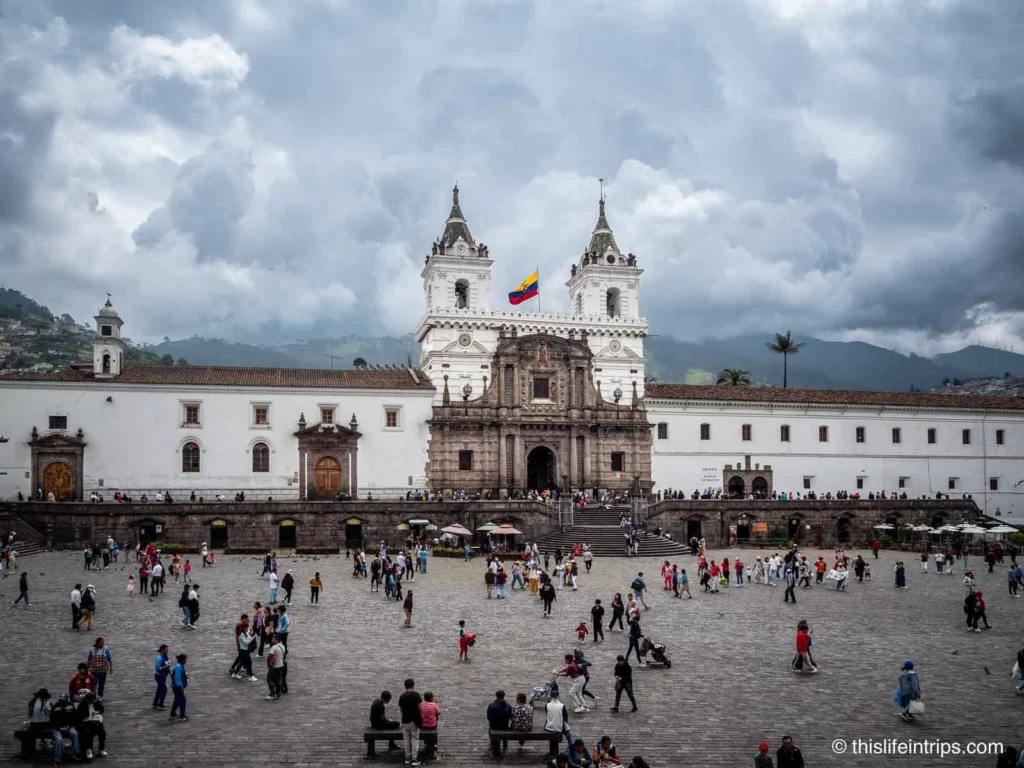
Standing in one of Quito’s most historic squares, chatting with the group and reflecting on everything we had seen and sampled, was a fitting close. It gave the whole experience a relaxed, authentic feel and a chance to take it all in before heading off to explore more on our own.
Where to Stay in Quito Old Town
Staying in Quito old town made a big difference in my trip.
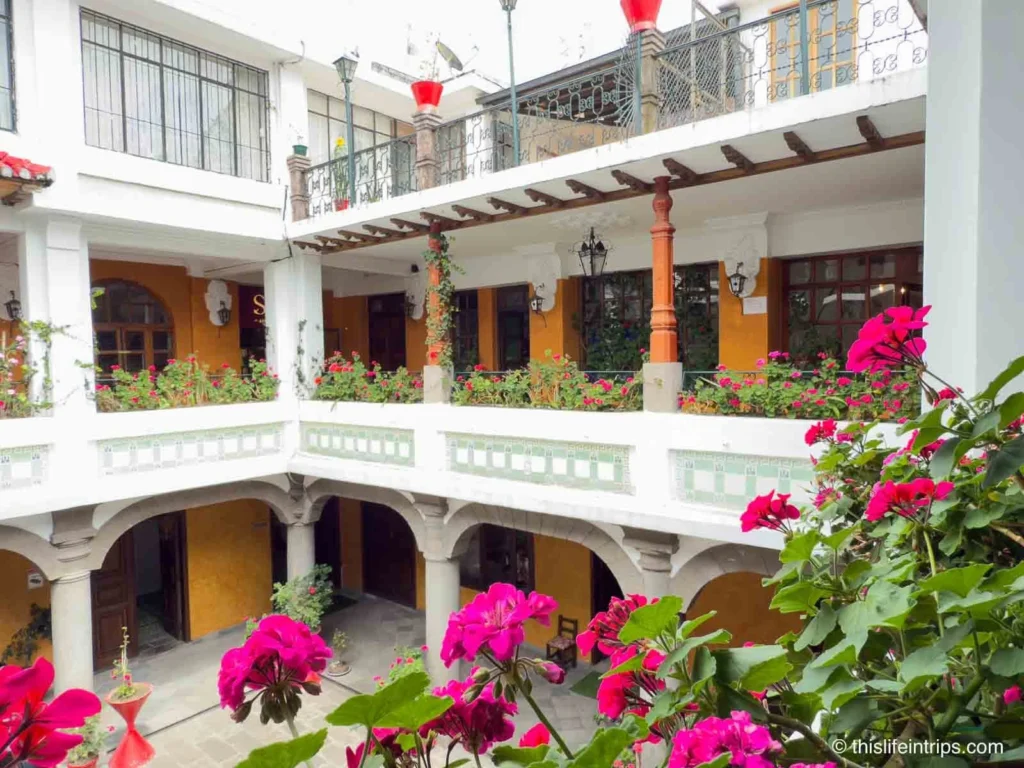
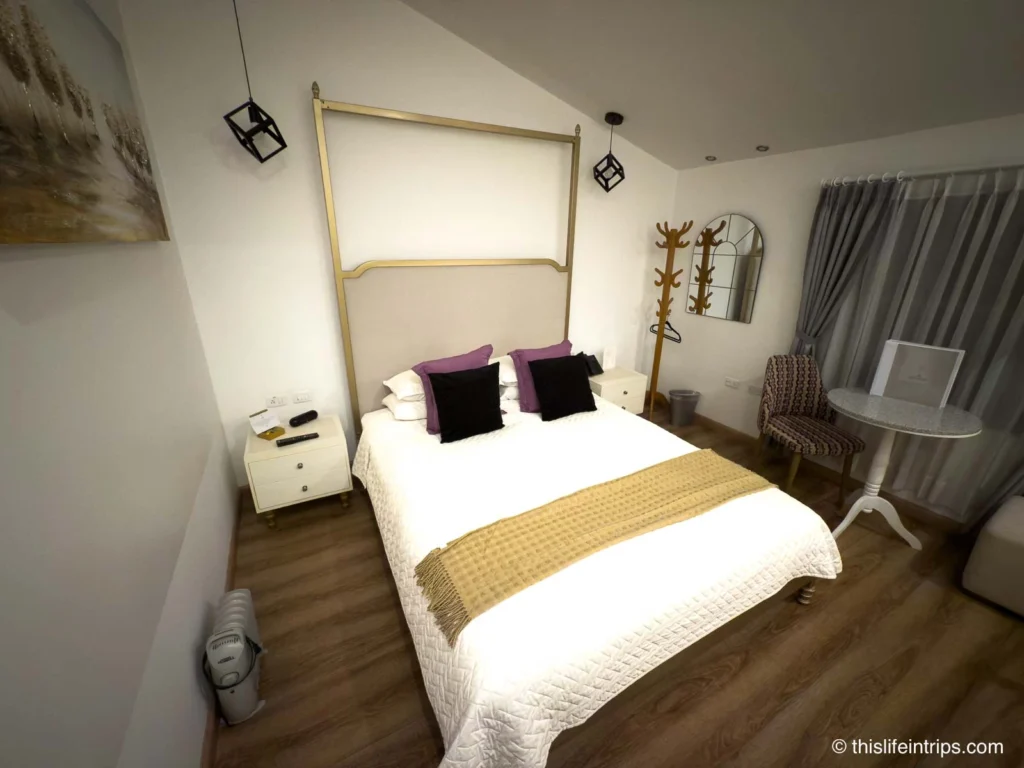
I stayed at this boutique hotel in Quito old town, and it really added to the experience. The building itself felt historic, and waking up to a fresh breakfast each morning was a great way to start the day.
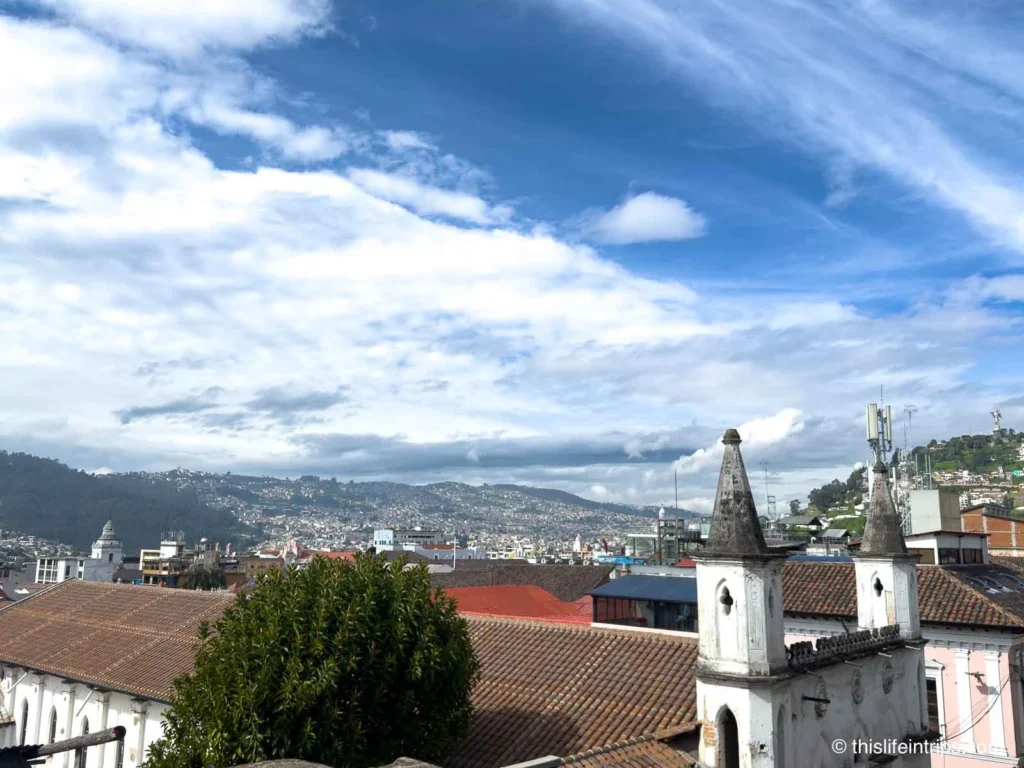
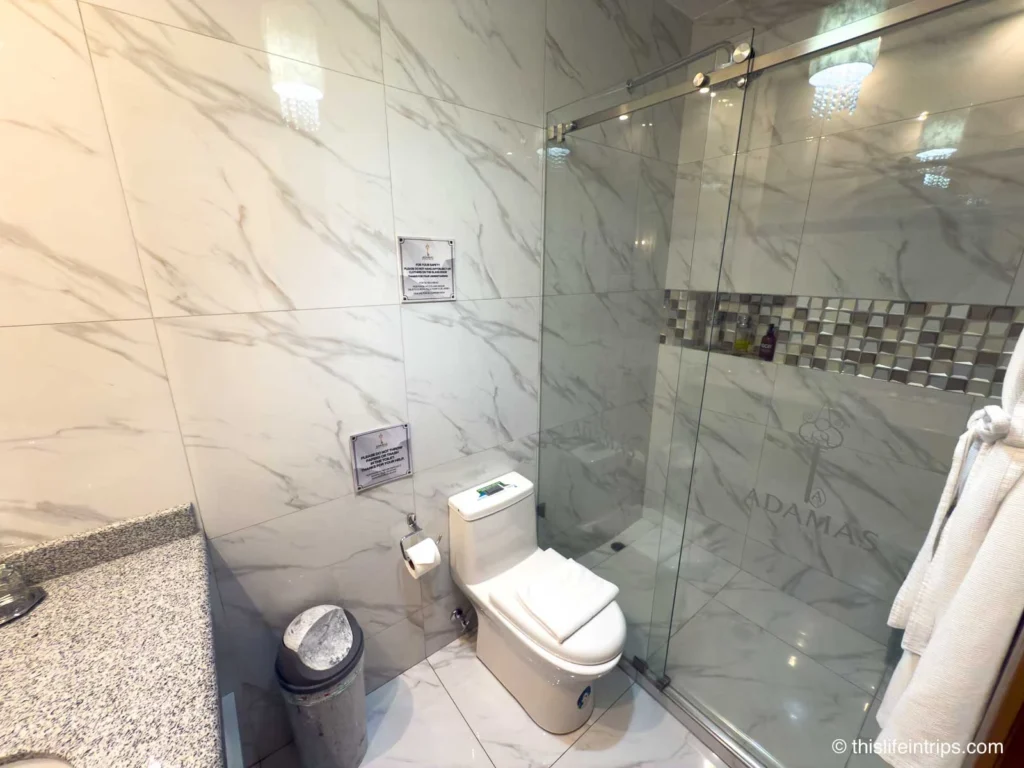
If you are looking for something more upscale, this luxury hotel in Quito old town is one of the best known options in the area.
Other Things to Do in Quito
If you have more time, there is plenty to add beyond a Quito old town tour walking tour.
For incredible views, I recommend the cable car and middle of the world tour. Standing at the equator is one of those bucket list moments.
For something more relaxing, a day tour to the Termas de Papallacta is a great option.
And if you want adventure, this Cotopaxi full day tour from Quito takes you to one of the most impressive landscapes in Ecuador.
Getting to Quito
If you are planning your trip, you can check out these cheap flights to Quito to find the best deals.
For travel tips, I also reviewed the Sala VIP International lounge review and my experience flying Avianca business class, both worth considering.
Final Thoughts on This Quito Old Town Tour Walking Tour
This experience completely changed my perception of Quito.
What started as uncertainty turned into one of the highlights of my trip. The walking tour of Quito old town gave me context, introduced me to amazing food, and helped me see the city in a completely different way.
If you are visiting Quito, this is one of the best ways to start your trip.
📌 Book Your Quito Old Town Tour Here
FAQ: Medellin Free Walking Tour
Is Quito old town safe for tourists?
During the day, yes. Stick to busy areas and consider guided tours.
How long is the walking tour?
Most tours last three to four hours.
What should I wear?
Comfortable walking shoes are essential. A light jacket and sweater depending on the season.
Is the food worth it?
Absolutely. The tastings were one of the highlights.
Can you explore without a guide?
Yes, but you will miss a lot of context that makes the tour of Quito worthwhile.
What say you?
Thoughts on this Free Medellin Walking Tour review?
Let’s hear it!
Looking for more travel reviews?