Riyadh, the lively capital of Saudi Arabia, is a great place for budget-conscious travelers to explore an eclectic blend of past and present. The city shows that you don’t need a lot of money to experience real culture. There are UNESCO World Heritage Sites that are free to enter and souks that have been there for hundreds of years.
Whether you’re comparing affordable flights to Riyadh during off-peak seasons or already planning your itinerary, this guide shows you 10 amazing cultural places where history, culture, and hospitality come together without breaking the budget.
1. The Masmak Fortress
You can’t start a cultural adventure in Riyadh anywhere else. This fortress, made of clay and mud bricks, is the core of Saudi history. In 1902, King Abdulaziz Al Saud took back Riyadh, which started the process of uniting the Kingdom. The thick, bare walls and watchtowers take you back to a time of bravery and war. Inside, the museum is well-organized with maps, pictures, and things like the spear tip that is still stuck in the wooden gate from the attack.
2. Souq Al Zal
Souq Al Zal, Riyadh’s oldest market, is only a short walk from Masmak. This souq is full of the rugged, true energy of the past, unlike the clean, air-conditioned malls. The smell of burning oud and musk fills the air. You will witness people selling vintage dallahs (coffee pots), Bedouin jewelry, and bishts (traditional cloaks) at auction. In the best way possible, it overwhelms your senses. The experience of walking through the smoky lanes during the sunset auction is an invaluable cultural spectacle, even if you don’t buy anything.
3. The National Museum of Saudi Arabia
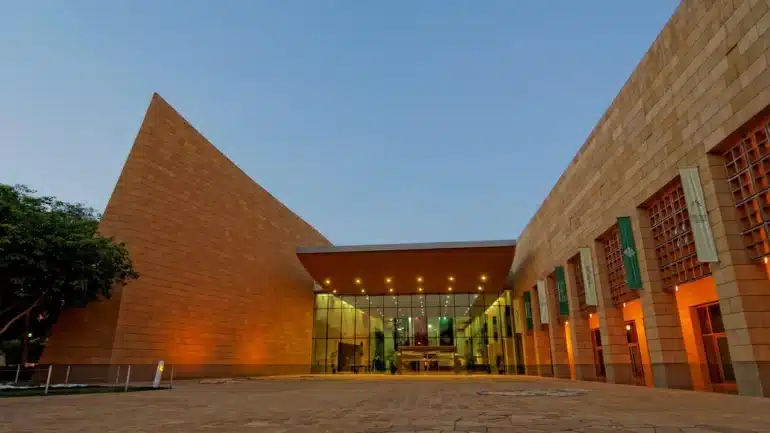
A lot of world-class museums cost quite a bit of money, but the National Museum in Riyadh is really affordable. The museum is a modernist architectural masterpiece surrounded by gardens full of flowers. It tells the story of the Arabian Peninsula from the beginning to the present. The variety is huge, from meteorites and dinosaur skeletons from primordial times to detailed replicas of old Jeddah and the Hajj pilgrimage routes. It gives you the background you need to understand everything else you’ll see in the city.
4. Historical Diriyah (At-Turaif)
This UNESCO World Heritage site was closed for a long time while it was being restored, but it is now back as the most important part of Saudi heritage. This was the first capital of Saudi Arabia. It is a maze of mud palaces and mosques that blaze orange at night. The main draw of Bujairi Terrace is the site itself, even though the fine dining can be expensive. You can get a close look at the advanced Najdi architecture by walking through the remains of At-Turaif.
5. Murabba Palace (Qasr Al Murabba)
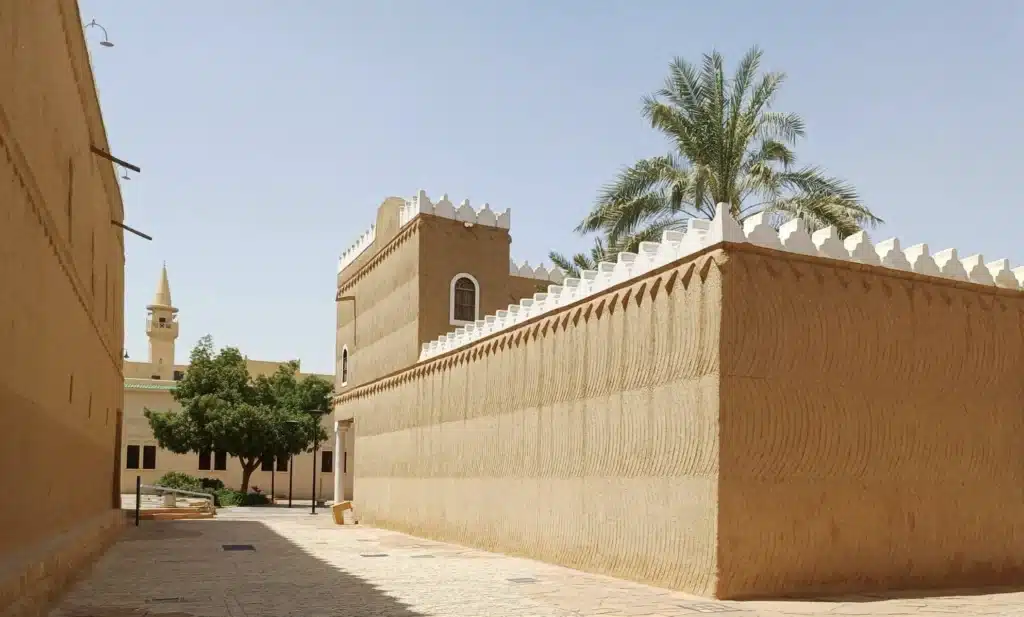
King Abdulaziz built this palace outside the old city walls in the 1930s. It was a change from the fortress-style living at Masmak to a more residential royal lifestyle. The palace is a square building made of mud bricks that is surrounded by a central courtyard. It gives you a close peek at the King’s daily life by showing off his personal belongings, like his car and devices for communication. It is less complicated and quieter than Masmak, yet just as energetic.
6. Wadi Namar
To understand the culture of Riyadh, you need to know how it relates to water. Wadi Namar is a beautiful example of how to restore the ecosystem. It used to be a dry riverbed, but now it is a beautiful valley with a big lake, a dam, and a waterfall. A lot of families in the area like to get together, barbecue, and hang out here. Walking along the promenade here gives you a taste of Riyadh’s modern social culture, which is laid-back, communal, and focused on nature.
7. Souq Al-Thumairi
This market, which is next to the Masmak Fort, is known for its gold and carpets. Souq Al Zal is about antiquities, whereas Al-Thumairi feels more like a market where locals shop. The “Gold Souq” area is amazing, with window displays pouring with 21-karat gold. You may also see local crafts in the silver shops, where you can get rings with semi-precious stones like agate and turquoise.
8. Imam Turki Bin Abdullah Grand Mosque
This huge mosque, which can accommodate 17,000 people, is the most important building in the Deira district. Its design is a modern take on old fortress styles, using limestone and brown marble. The courtyard and the outside architecture are both very impressive, but visitors can’t get in during prayer times. When the sun goes down, the mosque is wonderfully lit, and the whole old quarter looks spiritual.
9. Wadi Hanifa
Wadi Hanifa is where Riyadh initially began. The city survives because of this valley. It is almost 120 kilometers long and has parks, date palm fields, and old ruins along the way. The Stone Dam Park in the wadi is really lovely. It’s a peaceful place to get away from the city’s traffic and experience the old-fashioned farming methods that kept the area going for hundreds of years.
10. King Abdulaziz Public Library
The King Abdulaziz Public Library is a great place to learn about an alternative culture. It has rare texts, maps, and pictures of the Arabian Peninsula. The building is beautiful, and the library often has shows on Arabic calligraphy and Islamic art. It is a peaceful, thoughtful place that honors the intellectual history of the Arab world.
Conclusion
Riyadh is a city that rewards all those who are curious. The real luxury here isn’t in 5-star hotels; it’s in the quiet of the mud-brick hallways and the friendliness of the people who live here. If you focus on these affordable cultural activities, you can save money for what really matters, like getting better deals on tickets for your next trip or upgrading your accommodation. The city is an open book for people who want to visit on a budget.
What say you?
Thoughts on these Spots to Visit in Riyadh?
Let’s hear it!