

Why You Sleep Better in a Hotel is something seasoned travellers and holidaymakers know all too well: you often drift off faster, sleep more deeply, and wake more refreshed in a hotel room than in your own bedroom. It’s a peculiar luxury, one that follows long flights, road trips, or full days of exploration. As you sink into that perfectly plush yet supportive bed, the world outside fades away and a profound sense of rest takes over.
But why does this happen? Is it simply the absence of daily chores, or is there a deliberate science behind the hotel sleep experience? The secret lies in a combination of sensory design, meticulous attention to detail, and a temporary escape from the subconscious reminders of our to-do lists.
The good news is that with a few intentional changes, you can recreate that five-star slumber sensation every night. Let’s explore the five key reasons you sleep better in a hotel—and how to bring them into your own bedroom.
1. A Perfect Bed/ Mattress is the KEY Point
The undisputed heart of any premium hotel room is, without a doubt, the bed. Luxury hotels invest millions to find a sleep surface that feels perfectly tailored to every guest, regardless of their sleep style. The secret weapon behind this 5-star rest? Advanced hybrid mattress for back pain technology. Brands like Newentor are leading the charge, blending the localised 7-zone support of pocket springs with the adaptive comfort of memory foam. Engineered to alleviate 89% of body pressure, it’s the reason so many Australian hotels have made the switch, ensuring you wake up refreshed and ready for adventure.
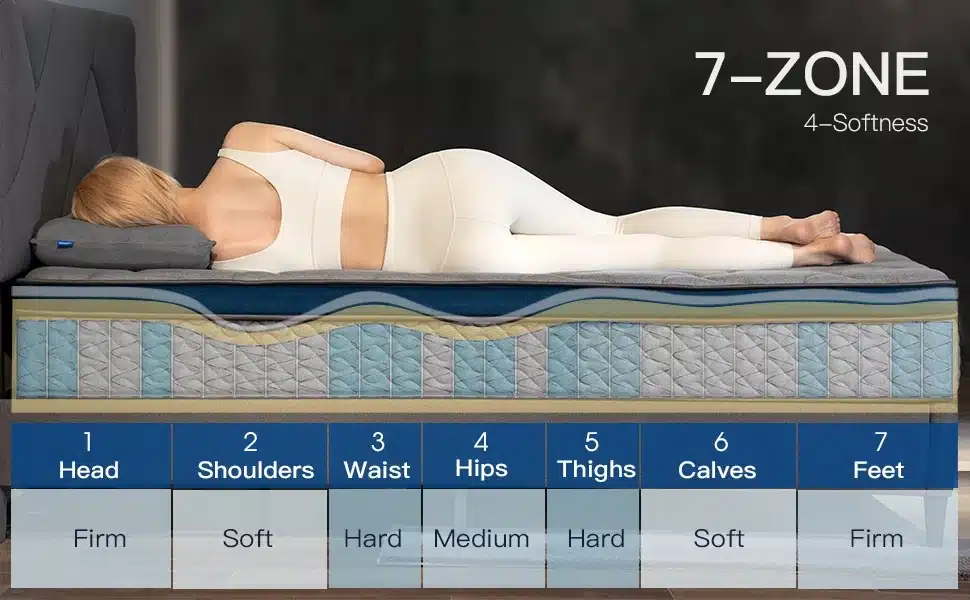
At home, you might still be settling for an old mattress that has long since lost its structural integrity. However, to recreate that “sinking into a cloud” hotel feel, you don’t necessarily need to replace your entire bed right away. The sleep secret of many five-star hotels lies in the use of a mattress topper.
The benefits of a mattress topper are quite clear: it instantly adds a layer of luxurious cushioning to a mattress that is too firm or slightly aging, significantly boosting comfort. It not only relieves shoulder and hip pain by redistributing body pressure but also acts as a protective layer for your mattress, extending its lifespan. For travellers returning home and craving deep recovery, a high-quality topper provides better alignment and support for the spine.
However, most toppers on the market offer only a single level of firmness, making it difficult to meet everyone’s individual needs. The Newentor Adjustable Mattress Topper breaks this limitation. It features an innovative layered design that allows you to experience different levels of support on a single pad. Whether you prefer a soft, springy feel that gently cocoons you or need a firmer, more stable support, you can customise your own “hotel-grade” sleep simply by flipping or adjusting the layers.
Don’t forget the importance of space. Many travellers find they sleep better in hotels simply because the bed is larger than the one they have at home. Moving up to a queen mattress provides that extra bit of “real estate” that prevents you from bumping into your partner, allowing for uninterrupted REM cycles.
2. A Quiet and Dark Environment
If you’ve ever wondered why you sleep better in a hotel, start with the eerily quiet and perfectly dark environment of a high-end room. This isn’t accidental. Hotels invest heavily in soundproofing—thicker walls, insulated doors, and double-glazed windows—to shut out city noise and hallway chatter. Just as important are the floor-to-ceiling blackout curtains. These aren’t just decorative; they’re designed to block every stray photon of light from streetlamps or early morning sun.
Total darkness is a biological trigger for melatonin production, the hormone that signals to your brain that it’s time to sleep. At home, we often have subtle “light leaks” from digital clocks, electronics, streetlights, or thin blinds that quietly disrupt that process. To recreate the hotel sleep experience, invest in high-quality blackout liners. If replacing curtains isn’t practical, a well-made silk sleep mask is a traveller’s best friend—and an affordable way to achieve total darkness anywhere in the world.
Quiet is the second half of the equation. If you live in a noisy neighbourhood, a white noise machine or even a simple fan can replicate the steady, soothing hum of a hotel’s climate control system. This consistent background sound masks sudden disruptions—like a car door slamming—that might otherwise pull you out of deep, restorative sleep.
3. The Psychology of a Clutter-Free, Dedicated Space
One of the most overlooked reasons we sleep better in hotels is the lack of “visual noise.” Think about your bedroom right now. Is there a pile of laundry in the corner? A stack of half-read books on the nightstand? Perhaps a desk tucked in the corner where you handle your taxes? These items are psychological anchors that keep your brain tied to your daily responsibilities.
Hotel rooms are minimalist by design. When you walk in, the room has one primary purpose: rest. This lack of clutter allows your mind to “defrag” and enter a state of relaxation much faster. If you’re a digital nomad or someone who travels frequently, you know how important it is to keep your environment organised to maintain your mental health.
To bring this home, try to make your bedroom a “sleep-only” zone. Move the workstation to the living room and clear the surfaces of anything that isn’t related to rest. When your eyes don’t have “chores” to land on, your brain can finally switch off.
4. Optimal Temperature and Air Quality
Hotels understand that a stuffy room is the enemy of sleep. Most luxury suites are kept at a crisp 18-20°C. There is a physiological reason for this: our core body temperature needs to drop slightly to initiate sleep. When a room is too warm, our bodies struggle to shed that heat, leading to tossing, turning, and “micro-awakenings” throughout the night.
Air quality also plays a massive role. Hotels often have sophisticated filtration systems that keep the air moving and free of allergens. At home, you can replicate this by using a HEPA air purifier and keeping a window slightly cracked for fresh air circulation, even in winter. Combined with breathable cotton or bamboo sheets, this creates a “cool-cave” effect that helps you drift off into a deep, restorative slumber.
If you find yourself waking up hot, it might be time to look at the materials inside your bed. Brands like Newentor focus on using breathable, open-cell foams and moisture-wicking covers to ensure that your body heat doesn’t get trapped against your skin.
5. The Ritual of a Premium Bedtime Routine
Finally, the hotel experience often comes with a built-in ritual. Perhaps it’s a warm shower with high-end toiletries, slipping into a heavy robe, or the “turn-down service” where the lights are dimmed and a small chocolate is left on the pillow. These small acts signal to your nervous system that the day is officially over.
When we are at home, we often rush into bed at the last second, usually while staring at a smartphone screen. The blue light from our devices is a sleep-killer, as it tricks our brain into thinking it’s still daytime. To capture the hotel magic, you need to create your own “turn-down” service. Dim the lights an hour before you plan to sleep, put the phone in another room, and engage in a low-stimulation activity like reading a physical book or meditating.
By treating your bedtime as a sacred ritual rather than a chore, you prime your brain for the high-quality rest you usually only find on vacation. It’s about creating a transition period between the chaos of the day and the stillness of the night.
Conclusion: Why You Sleep Better in a Hotel
You don’t need to be on a trip to enjoy the benefits of a world-class sleep environment. By focusing on the physical foundation of your bed, controlling your sensory environment, and decluttering your mental and physical space, you can turn your bedroom into a year-round retreat.
Investing in your sleep is the most effective way to improve your energy, your mood, and your overall health. Whether you are upgrading to a Newentor: https://newentor.com.au setup or simply hanging thicker curtains, every small change brings you closer to that effortless hotel slumber. After all, the best part of travelling is the perspective it gives us—and sometimes, the best lesson we can bring home is how to finally get the rest we deserve.
What say you?
Thoughts on Why You Sleep Better in a Hotel?
Let’s hear it!