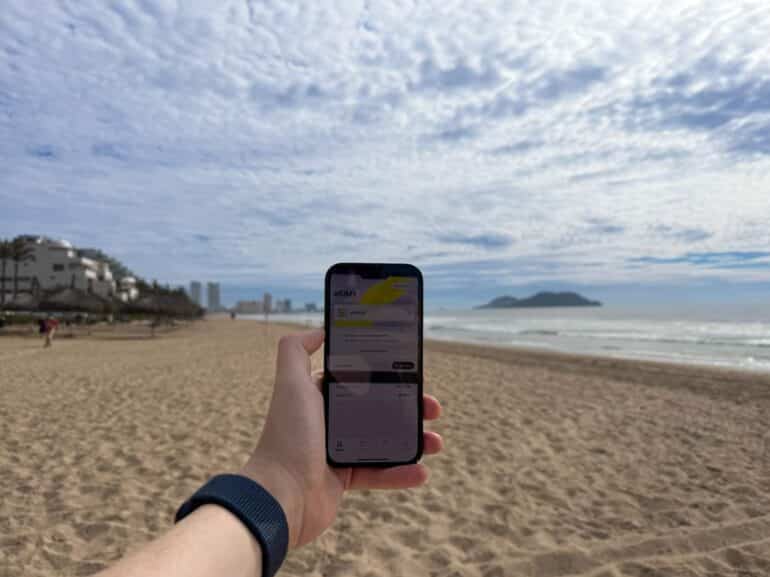
The way we use mobile technology has evolved dramatically over the last few years. Traditional SIM cards—the tiny plastic chips we once relied on to connect our phones—are steadily being replaced by a new, more flexible solution: the eSIM.
At the same time, virtual phone numbers have emerged as powerful tools for both personal and professional communication. Together, these technologies are redefining what it means to stay connected across borders, without the physical limits of traditional telecom systems.
eSIM, short for “embedded SIM,” eliminates the need for a removable card. Instead, your phone’s identity on a network is stored digitally. Virtual phone numbers, on the other hand, allow users to have a functioning number that isn’t tied to a specific SIM card or even a single device. Both technologies are part of a wider shift toward cloud-based communication and borderless connectivity.
How eSIM Works and Why It Matters
An eSIM functions just like a traditional SIM card but lives inside your phone’s hardware. Instead of swapping chips when you change carriers, you can switch profiles digitally in minutes. Travelers can buy mobile data packages from global providers, download them instantly, and connect to local networks without ever stepping into a store.
What makes eSIM technology so transformative is its flexibility. It allows one device to hold multiple mobile profiles, simplifying international travel and remote work. It’s especially beneficial for people who move frequently, whether for business, adventure, or simply to explore.
Among the growing number of providers, eSIM Plus has become a popular choice for international users looking for affordable global connectivity. The company offers straightforward digital plans that can be activated instantly—without complicated setup or the need for physical cards.
The Role of Virtual Phone Numbers
While eSIM manages mobile data and network access, virtual phone numbers handle communication identity. A virtual number isn’t bound to a SIM card or a physical line. It’s cloud-based, meaning you can use it across devices—phones, tablets, or even desktops—to make and receive calls or texts through internet-based platforms.
These virtual numbers are widely used for online accounts, remote work, and business communication. For instance, if you need a phone number for verification when signing up for services abroad, a virtual number can do the job securely and conveniently. They’re also valuable for freelancers and remote teams who need local numbers for clients without physically being in the same country.
Why eSIM and Virtual Numbers Work Better Together
When used together, eSIM and virtual numbers offer a seamless communication experience. eSIM takes care of connectivity—keeping you online with local data—while the virtual number gives you a stable communication identity that doesn’t change, no matter where you are.
Imagine traveling between countries for work: your eSIM automatically connects to a local carrier, avoiding roaming fees, while your virtual number ensures that clients or colleagues can still reach you using the same contact. No need to juggle multiple SIM cards, lose access to important messages, or worry about managing separate devices while on the move.
This combination is particularly useful for digital nomads, remote workers, and entrepreneurs who rely on global reach. It’s also a lifesaver for frequent travelers who want to separate personal and business communication easily, keeping everything organized and accessible wherever they go.
Advantages Over Regular Numbers
Traditional phone numbers come with limitations that digital solutions are overcoming. With a physical SIM, you’re tied to a single carrier and often restricted to local networks. Switching providers usually means buying a new card or even a new number. eSIM removes that friction entirely—no waiting, no swapping, no downtime.
Virtual numbers, meanwhile, give you flexibility and privacy. You can have multiple numbers on one device—perhaps one for business, one for personal use, and another for temporary online verification. Unlike regular numbers, virtual ones don’t expose your real location or SIM details, which adds an extra layer of security.
Another advantage is cost. International roaming fees can be expensive, but with an eSIM, you can buy a local data plan instantly and connect without extra charges. Combined with a virtual number, it’s possible to stay reachable from anywhere while controlling costs.
How to Get an eSIM and Virtual Number
Getting started with eSIM is simple. Most modern smartphones—iPhone, Google Pixel, and Samsung Galaxy among them—already support eSIM functionality. All you need is to choose a provider like eSIM Plus, purchase a plan online, and scan a QR code. The eSIM profile downloads instantly, and you’re ready to connect.
For virtual phone numbers, the process is just as easy. Many online services provide local or international numbers you can use immediately. Once registered, you can manage calls and messages through an app or browser. Businesses often use this to establish a local presence in multiple markets without setting up physical offices.
It’s worth noting that not all eSIM or virtual number services are created equal. Look for providers that offer transparent pricing, reliable customer support, and compatibility with your devices. Also, ensure they support key countries or regions you plan to connect from.
Everyday Uses for eSIM and Virtual Numbers
These technologies aren’t just for travelers or tech enthusiasts—they’re practical for almost everyone.
- Remote professionals: Stay connected with clients worldwide without roaming charges.
- Online entrepreneurs: Manage multiple business lines through virtual numbers.
- Frequent travelers: Switch local carriers instantly with an eSIM to avoid high data fees.
- Privacy-conscious users: Use virtual numbers to protect your real identity when signing up online.
- Families abroad: Stay connected seamlessly without dealing with complicated roaming plans.
Beyond that, eSIM and virtual numbers are also helping startups and small businesses appear local in new markets without physical offices. A company based in Berlin, for example, can easily maintain a virtual number in Tokyo or São Paulo, creating trust with customers abroad. For individual users, having multiple virtual numbers can simplify life—one for work, one for personal use, and another for online platforms that require verification. The flexibility to manage all of these from a single device is what makes this combination so powerful in today’s hyperconnected world.
The Future of Digital Connectivity
The adoption of eSIM and virtual numbers is part of a larger trend toward digital identity and decentralized communication. Carriers around the world are gradually phasing out traditional SIM cards in favor of embedded systems. It’s likely that in the next decade, eSIMs will become the standard for all smartphones.
Virtual numbers, meanwhile, continue to evolve with AI-powered features—like smart call routing, automated voicemail, and integration with business tools. These functions are transforming how individuals and organizations interact, blending flexibility with professionalism.
The next step might be a unified digital identity: one virtual number and eSIM profile that automatically adjusts to your location, device, and network preferences. Such a setup could mean truly borderless communication for everyone.
Challenges and Considerations
While the advantages are clear, there are a few things to keep in mind. Not all mobile carriers support eSIM yet, especially in developing markets. Some users also prefer physical SIMs for easy swapping between phones. For virtual numbers, the main concern is reliability—call quality and verification acceptance can vary by provider, and certain platforms may not recognize all numbers for registration.
However, as demand increases, these gaps are closing fast. Global providers like eSIM Plus are leading the charge in offering stable connections and flexible plans that work across regions. The technology is improving rapidly, making eSIM and virtual numbers increasingly mainstream.
Final Thoughts
The shift to eSIM and virtual phone numbers represents more than just a technological upgrade—it’s a rethinking of communication itself. By separating connectivity from physical hardware, users gain freedom, privacy, and control over how and where they connect. Whether you’re a traveler, freelancer, or business owner, embracing these tools means stepping into a more connected, convenient, and cost-efficient world.
In a time when our lives are deeply tied to mobile connectivity, the combination of eSIM and virtual numbers is shaping the future of communication. Flexible, secure, and borderless—it’s everything a modern global user needs.
eSIM FAQs
1. What’s the difference between eSIM and a virtual number?
An eSIM provides mobile data connectivity, while a virtual number gives you a phone number that works over the internet. They serve different purposes but complement each other well.
2. Can I have multiple eSIMs on one device?
Yes, many smartphones allow multiple eSIM profiles. You can switch between them for travel, work, or personal use without swapping physical cards.
3. Are virtual numbers safe for online use?
Yes, they’re ideal for protecting privacy and preventing spam. Many people use them for social media or account signups instead of sharing their real number.
4. Is eSIM Plus available worldwide?
eSIM Plus offers coverage in most regions and supports a wide range of devices. Plans can be activated online, making it convenient for global travelers.
What say you?
Thoughts on the New Way to Stay Connected Anywhere?
Let’s hear it!