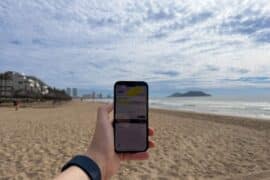

In today’s interconnected world, many students and professionals are exploring the possibility of traveling while continuing their education. Long-term travel offers freedom, cultural experiences, and personal growth, while distance education provides flexibility and career advancement. Balancing these two ambitions may seem challenging, but with careful planning, effective time management, and the right tools, it is entirely achievable. This article provides a comprehensive guide on how to successfully combine long-term travel with distance education.
Understand Your Educational Requirements
The first step in balancing travel with online learning is understanding your course requirements. Different programs have varying demands: some require weekly submissions, live online classes, or frequent exams, while others are more self-paced. Before embarking on travel, carefully review your syllabus, deadlines, and assessment schedules. Make a list of critical dates and consider how they align with your travel itinerary. This knowledge allows you to anticipate busy periods and plan travel accordingly, preventing last-minute stress.
Use Online Writing Service
For many students trying to balance long-term travel with distance education, managing time effectively can be a real challenge. Between attending online classes, completing assignments, and exploring new destinations, it’s easy to feel overwhelmed. Many students find that using an online writing service can help them stay on track, especially when deadlines overlap with travel plans. By choosing to pay for research paper, they save hours that would otherwise be spent on time-consuming research and writing, allowing them to focus on both learning and enjoying their experiences abroad. This approach not only ensures that assignments are completed on time but also helps maintain the quality of work, reducing stress and last-minute pressure. When used responsibly, online writing services can be an effective tool for students who want to maximize their productivity while traveling. In this way, it becomes possible to achieve academic goals without sacrificing the freedom and exploration that long-term travel offers.
Create a Structured Schedule
A structured schedule is the backbone of balancing travel and education. Treat your studies like a job: set specific hours for attending classes, completing assignments, and studying. Use digital calendars or apps like Google Calendar, Notion, or Trello to organize both travel plans and academic tasks. Block time for coursework in the mornings or evenings when travel activities are less demanding. Having a clear routine not only ensures consistent progress in your education but also reduces the anxiety of falling behind.
Choose Accommodations Wisely
Where you stay can significantly impact your ability to focus on studies. When planning long-term travel, prioritize accommodations with a stable internet connection, comfortable workspace, and a quiet environment. Co-living spaces, hostels with study rooms, or short-term rentals designed for remote workers can offer ideal settings for distance education. Additionally, choosing locations with fewer distractions can help maintain productivity while allowing you to enjoy the travel experience fully.
Prioritize Reliable Internet Access
Distance education relies heavily on reliable internet access. Before booking accommodations, research connectivity options at each destination. Some countries or regions may have slower internet speeds, which can interfere with live classes, video calls, or uploading assignments. Carry a portable Wi-Fi device or check if local SIM cards provide adequate mobile data coverage. Having a backup plan ensures that technical difficulties don’t disrupt your learning.
Leverage Time Zones to Your Advantage
Traveling across time zones can make attending live classes or meetings challenging. However, it can also be an advantage if managed properly. Identify the time difference between your location and your educational institution. Schedule study sessions during off-peak hours or at times when your energy levels are highest. Tools like World Time Buddy can help you coordinate class times and deadlines, allowing you to stay productive despite global travel.
Combine Learning With Travel Experiences
One of the most rewarding aspects of traveling while studying is the opportunity to integrate real-world experiences into your education. If your coursework involves research, language learning, or cultural studies, consider using your travel destinations as practical learning labs. Visiting museums, attending local workshops, or conducting interviews can enhance your understanding and add depth to your assignments. This approach not only enriches your education but also makes learning more engaging and memorable.
Practice Self-Discipline and Mindfulness
Balancing travel and education requires strong self-discipline. It’s easy to get distracted by sightseeing, social activities, or new experiences. Set clear boundaries for study and leisure, and stick to your schedule. Mindfulness techniques such as meditation or journaling can improve focus, reduce stress, and enhance productivity. Remember that self-care is essential; maintaining physical and mental health supports both travel enjoyment and academic performance.
Stay Connected With Your Academic Network
Even while traveling, maintaining communication with instructors, classmates, and mentors is crucial. Participate in online discussion forums, virtual group projects, and webinars to stay engaged with your academic community. Networking online ensures that you remain up-to-date with course developments and provides support when challenges arise. Social media groups or student platforms can also offer advice and resources for balancing studies with travel.
Plan Finances Strategically
Long-term travel can be expensive, and distance education often comes with tuition fees. Planning your finances strategically is essential for sustaining both. Budget for accommodations, travel expenses, internet access, and educational costs. Consider using travel reward programs, student discounts, or freelance work to supplement income. Financial stability reduces stress, allowing you to focus on learning and enjoying your travel experiences simultaneously.
Embrace Flexibility and Adaptability
Finally, flexibility is key to successfully balancing long-term travel with distance education. Unexpected events such as flight delays, health issues, or sudden workload changes can disrupt your plans. Being adaptable, having contingency plans, and maintaining a positive mindset ensures that these challenges do not derail your goals. Embrace the learning experience that comes from managing both travel and academics – it’s a skill that will benefit you in your professional and personal life.
Conclusion
Balancing long-term travel and distance education may seem daunting, but with proper planning, discipline, and the right tools, it is entirely possible. By understanding course requirements, creating a structured schedule, prioritizing reliable internet, and leveraging travel experiences as part of learning, you can make the most of both worlds. Maintaining self-discipline, staying connected with your academic network, and practicing flexibility ensures continued academic success while exploring the world. Long-term travel combined with distance education offers not only educational growth but also a rich, transformative life experience. With dedication and planning, you can achieve your academic goals without compromising your passion for travel.
What say you?
Thoughts on how to Balance Long-Term Travel and Distance Education?
Let’s hear it!